
World Heritage Sites
 World Heritage Sites
UNESCO World Heritage Sites in Japan
27 recognised sites

UNESCO lists 27 World Heritage Sites in Japan. Each one below links to its city guide or attraction page where we have one.
Full list








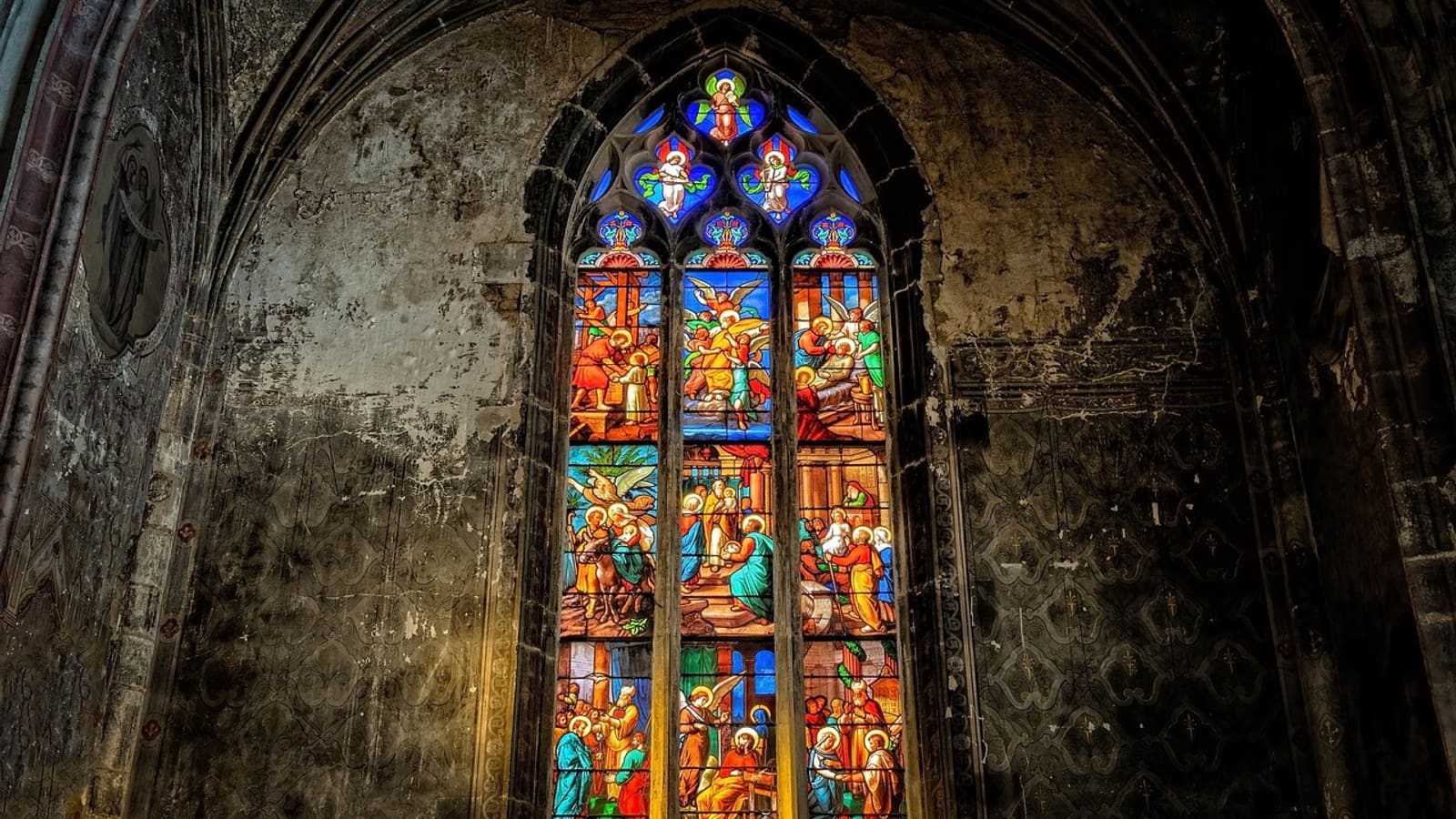
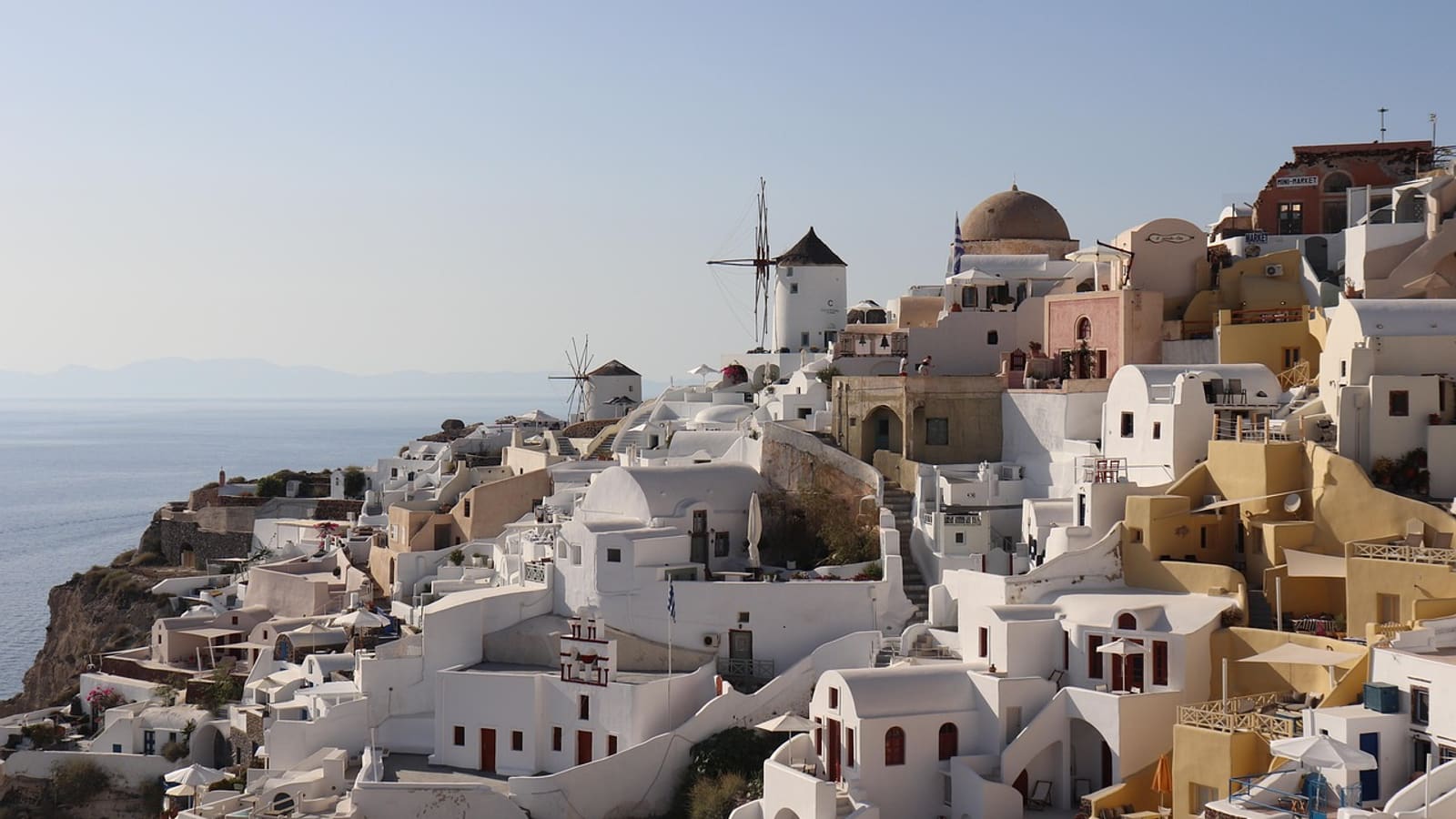
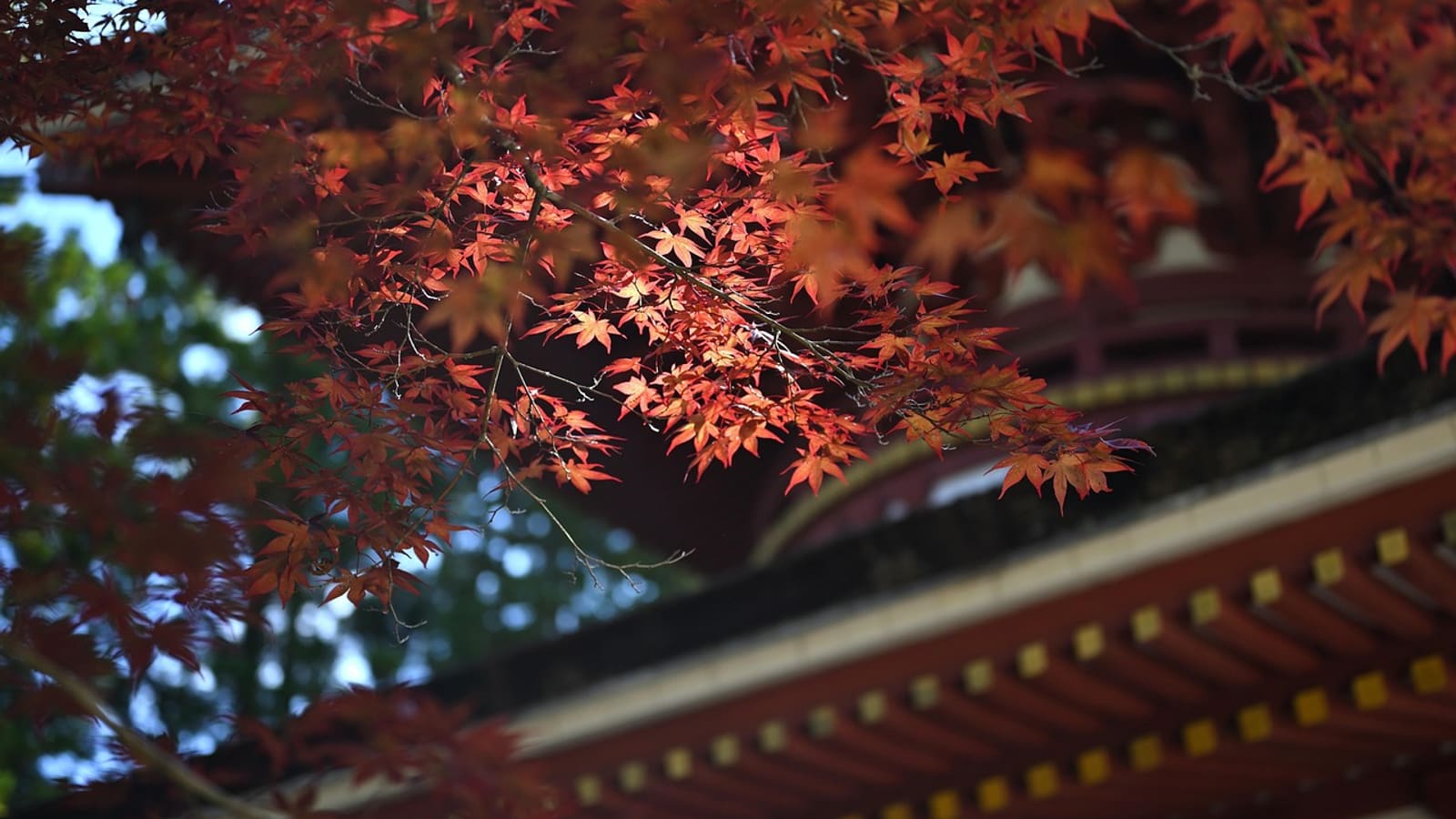

World Heritage Sites in Japan
Buddhist Monuments in the Horyu-ji Area
Himeji-jo
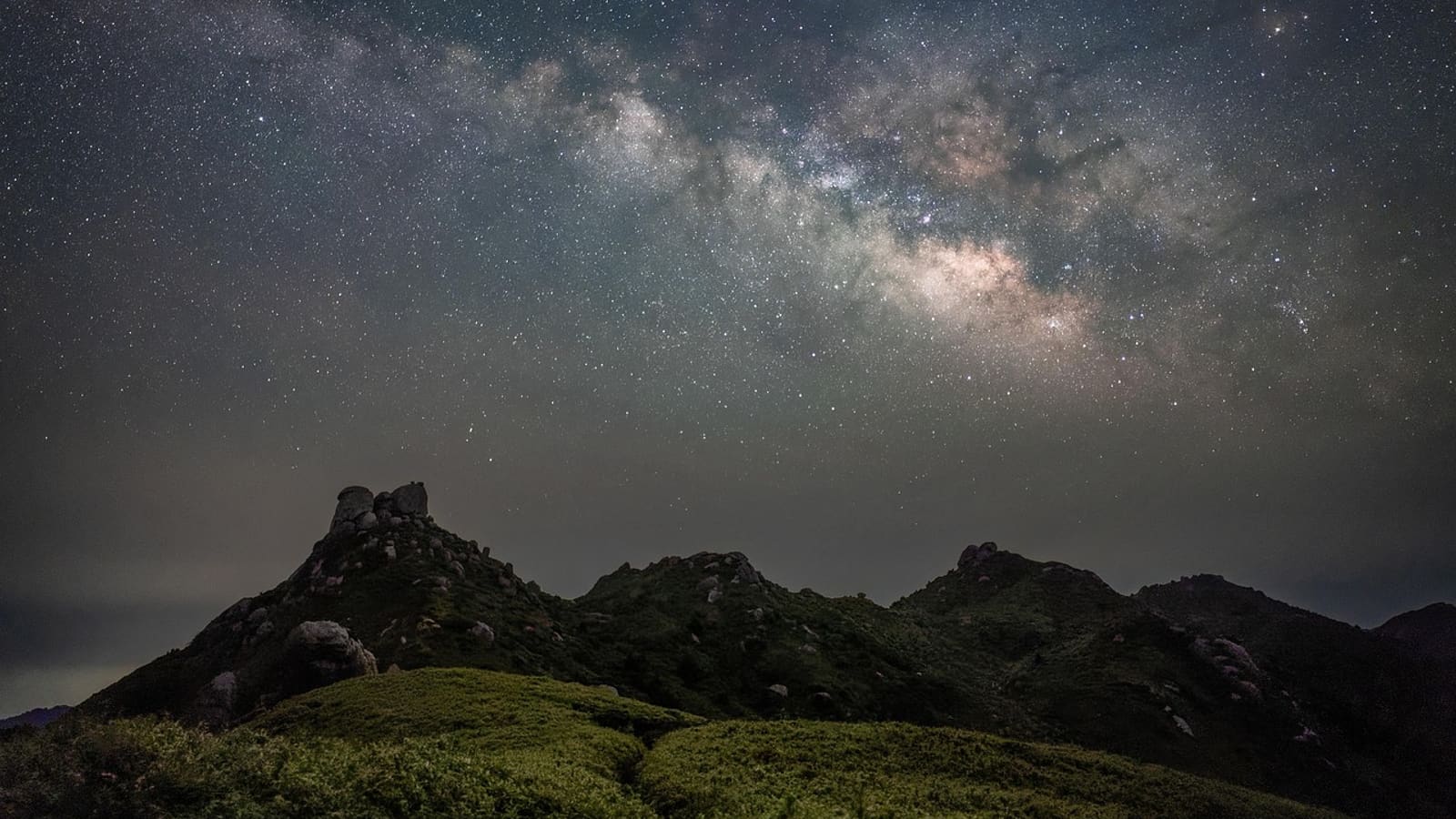
Yakushima
Shirakami-Sanchi
Historic Monuments of Ancient Kyoto (Kyoto, Uji and Otsu Cities)
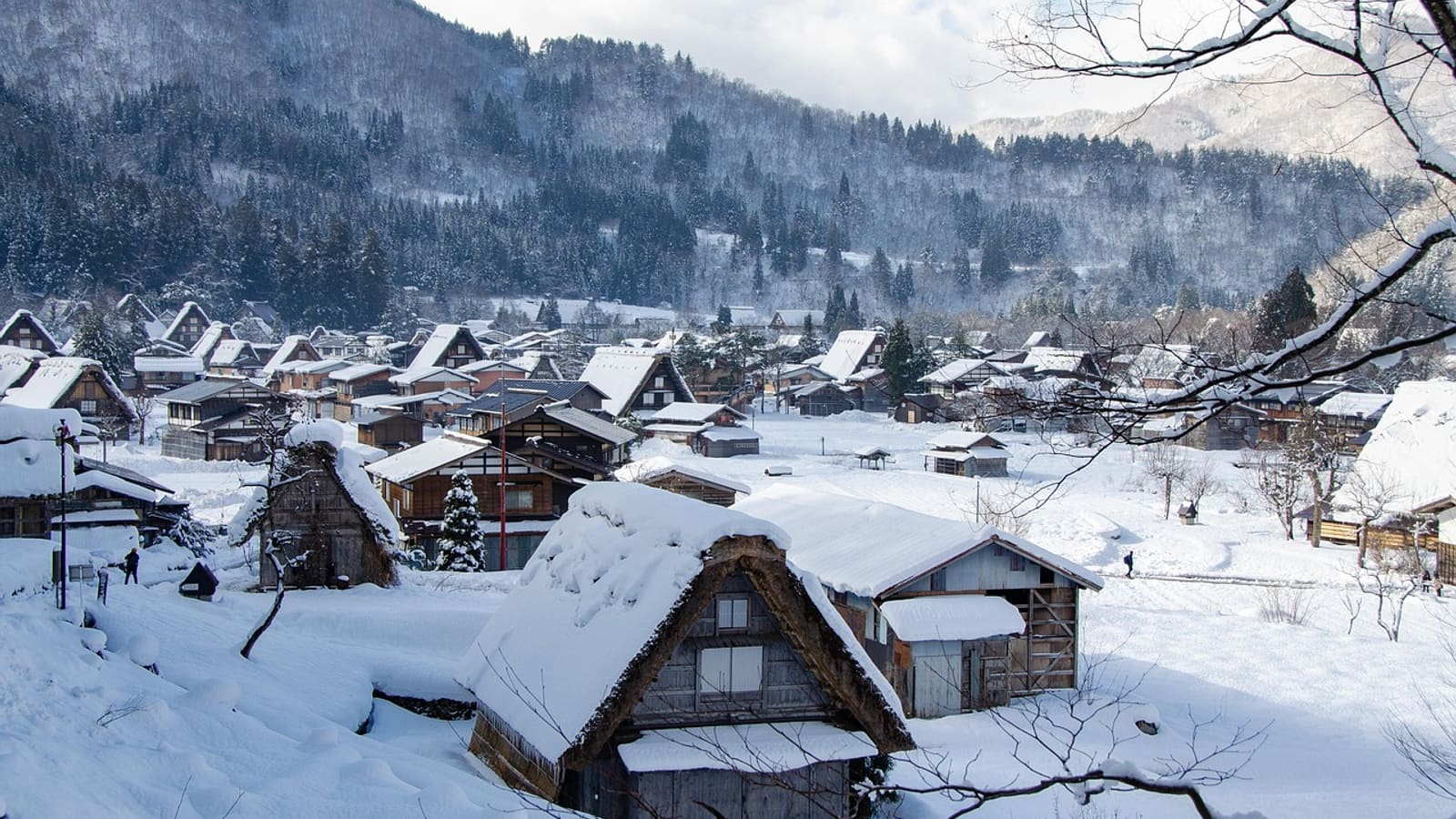
Historic Villages of Shirakawa-go and Gokayama
Hiroshima Peace Memorial (Genbaku Dome)
Itsukushima Shinto Shrine
Historic Monuments of Ancient Nara
Shrines and Temples of Nikko
Gusuku Sites and Related Properties of the Kingdom of Ryukyu
Sacred Sites and Pilgrimage Routes in the Kii Mountain Range
Shiretoko
Iwami Ginzan Silver Mine and its Cultural Landscape
Hiraizumi – Temples, Gardens and Archaeological Sites Representing the Buddhist Pure Land
Ogasawara Islands
Fujisan, sacred place and source of artistic inspiration
Tomioka Silk Mill and Related Sites
Sites of Japan’s Meiji Industrial Revolution: Iron and Steel, Shipbuilding and Coal Mining
The Architectural Work of Le Corbusier, an Outstanding Contribution to the Modern Movement
Sacred Island of Okinoshima and Associated Sites in the Munakata Region
Hidden Christian Sites in the Nagasaki Region
Mozu-Furuichi Kofun Group: Mounded Tombs of Ancient Japan
Amami-Oshima Island, Tokunoshima Island, Northern part of Okinawa Island, and Iriomote Island
Jomon Prehistoric Sites in Northern Japan
Sado Island Gold Mines
Ancient Capitals of Asuka and Fujiwara
Q&A
Answers to your questions
How many UNESCO World Heritage Sites does Japan have?
27 sites recognised by UNESCO as World Heritage — cultural, natural or mixed.
What's the difference between a cultural and natural site?
A cultural site is human-made (an old town, a monument, an archaeological site); a natural site is a unique geological/ecological feature; a mixed site is both.
About this page
Written and checked by the Around the World team. We compare prices across the major providers, cross-check official sources, and update when something changes. We have no stake in any one provider — links are affiliate links, and the price is the same for you.
Sources: Site list: UNESCO World Heritage List (CC BY-SA 4.0)