
World Heritage Sites
 World Heritage Sites
UNESCO World Heritage Sites in Italy
62 recognised sites

UNESCO lists 62 World Heritage Sites in Italy. Each one below links to its city guide or attraction page where we have one.
Full list






















World Heritage Sites in Italy
Rock Drawings in Valcamonica
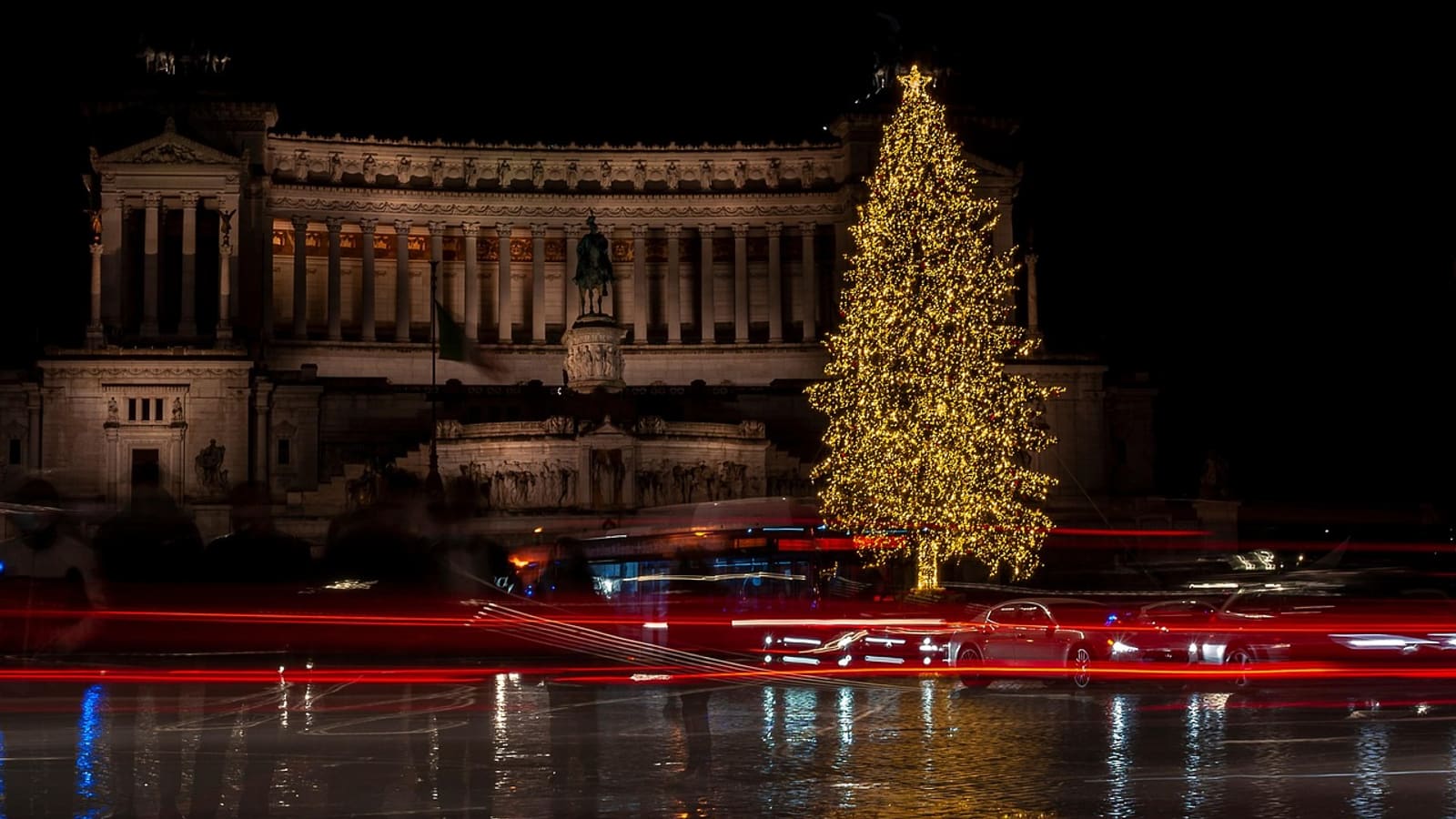
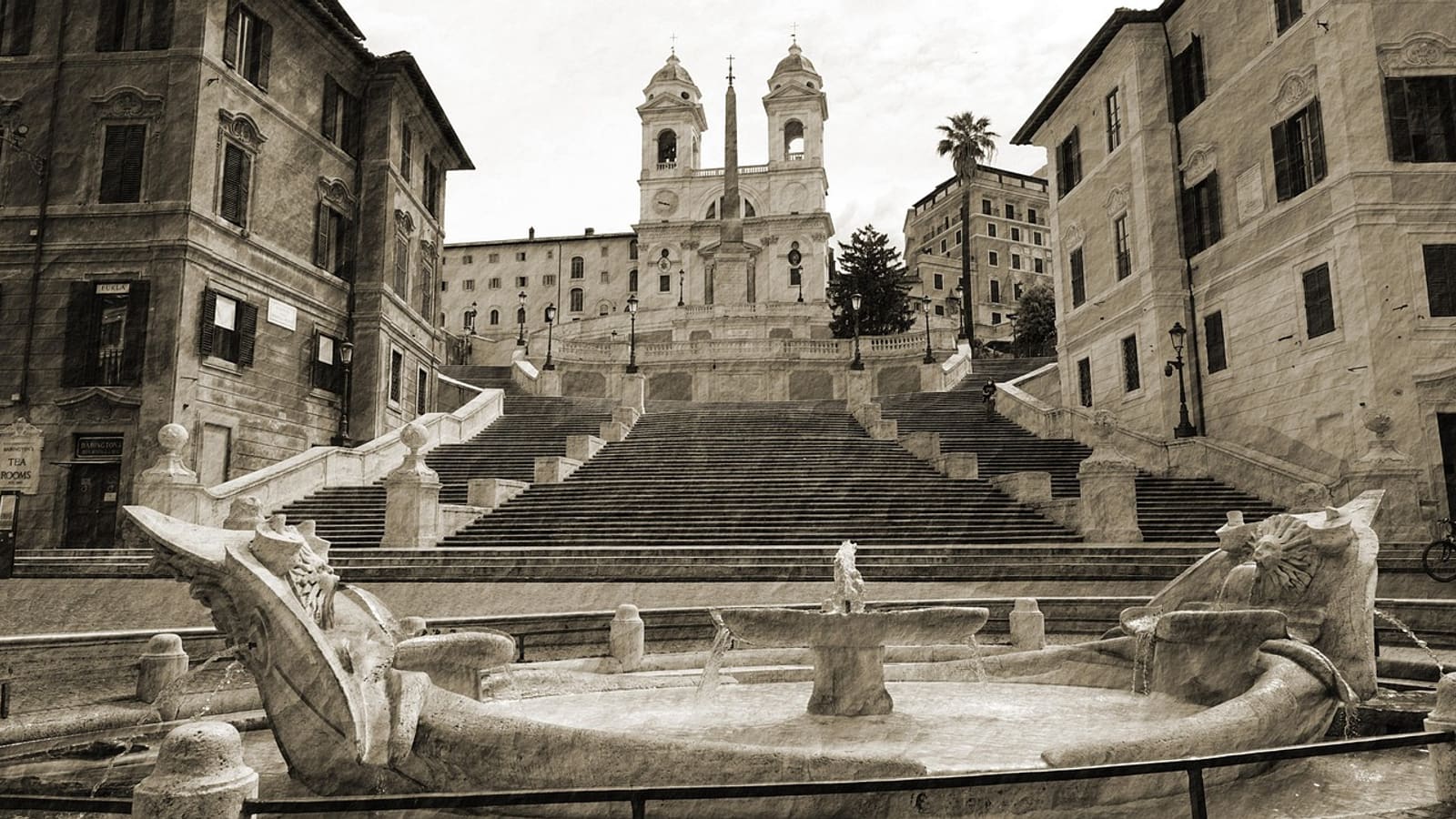
Historic Centre of Rome, the Properties of the Holy See in that City Enjoying Extraterritorial Rights and San Paolo Fuori le Mura
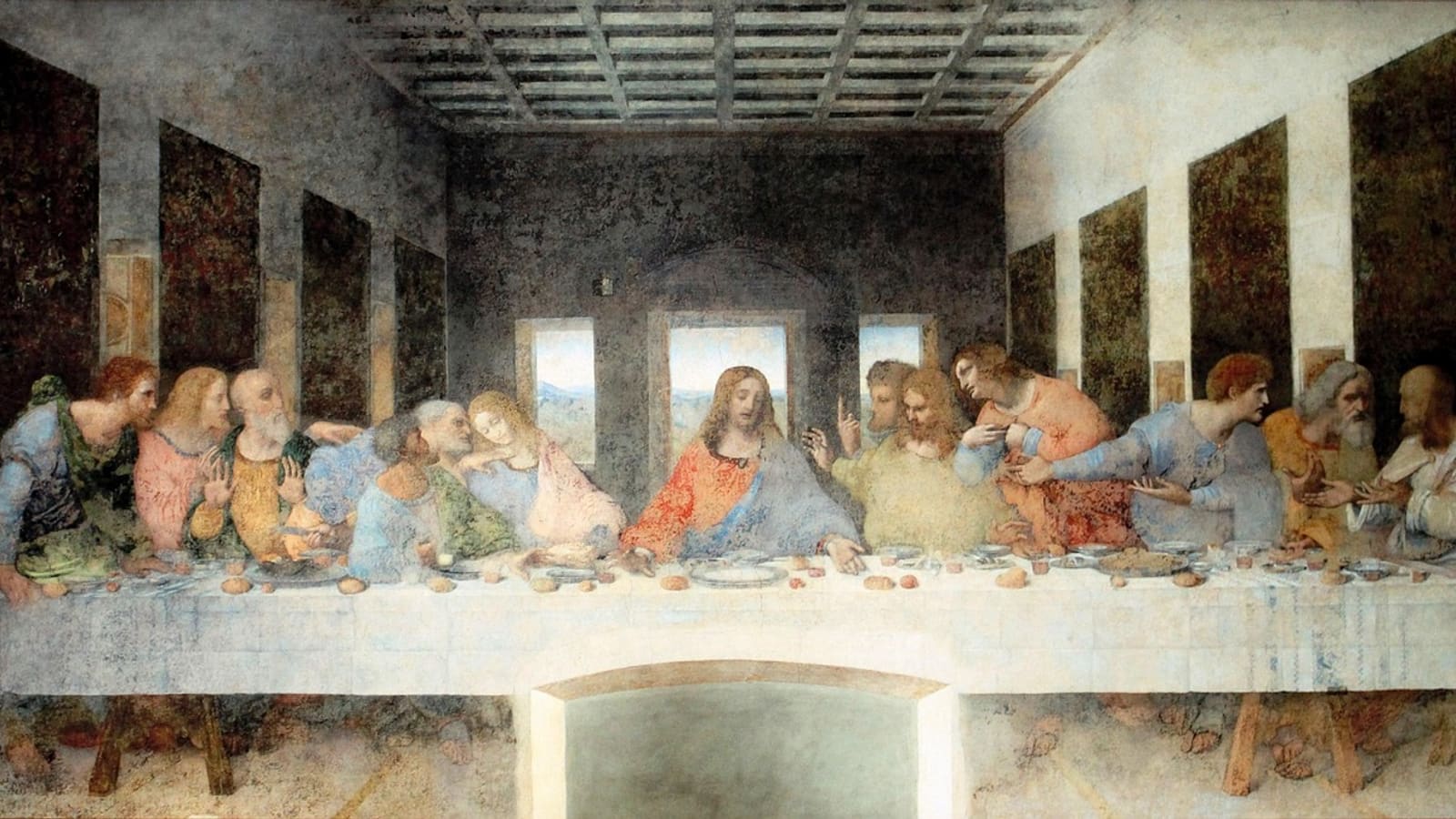
Church and Dominican Convent of Santa Maria delle Grazie with “The Last Supper” by Leonardo da Vinci
Historic Centre of Florence
Venice and its Lagoon
Piazza del Duomo, Pisa
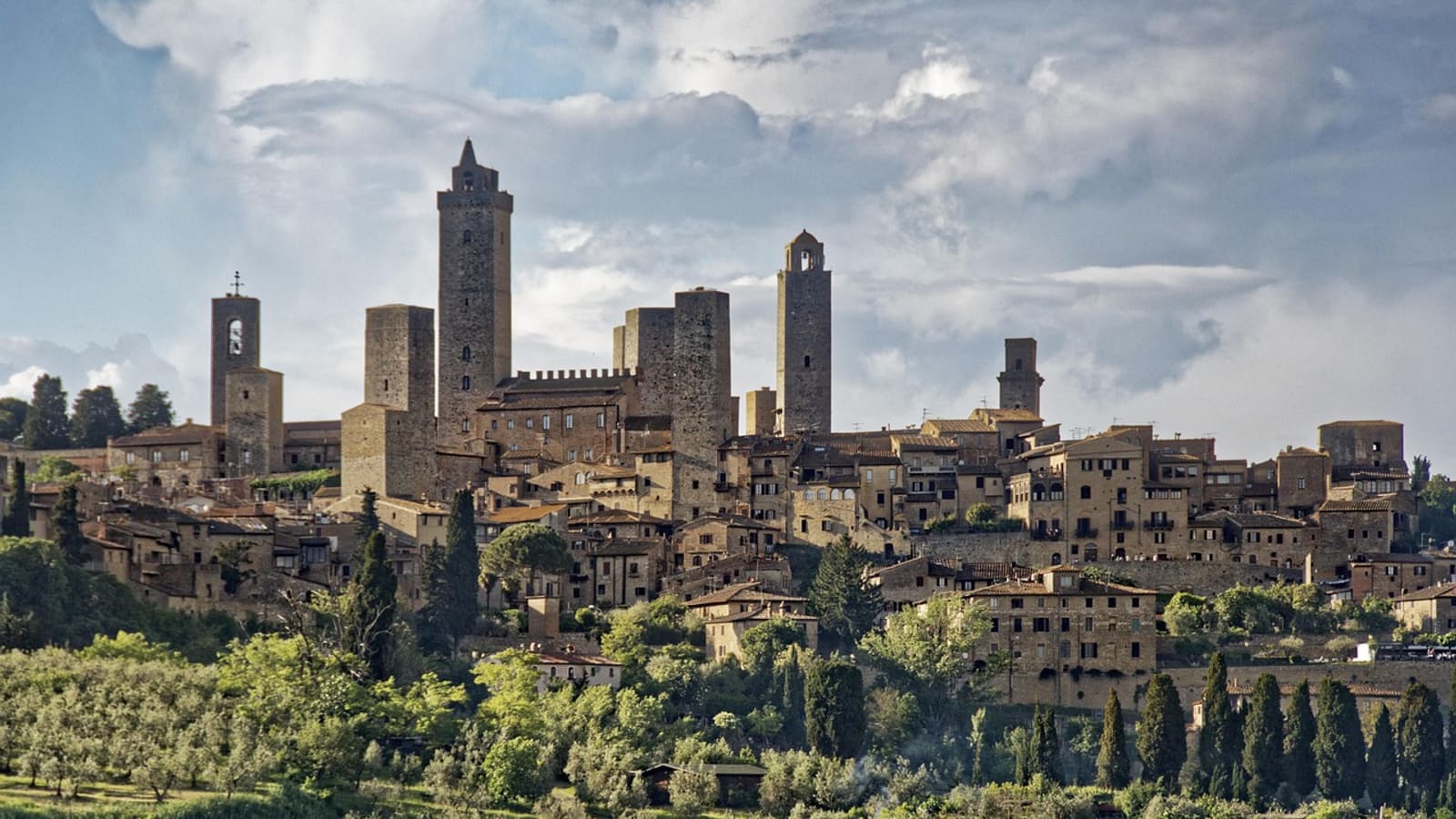
Historic Centre of San Gimignano
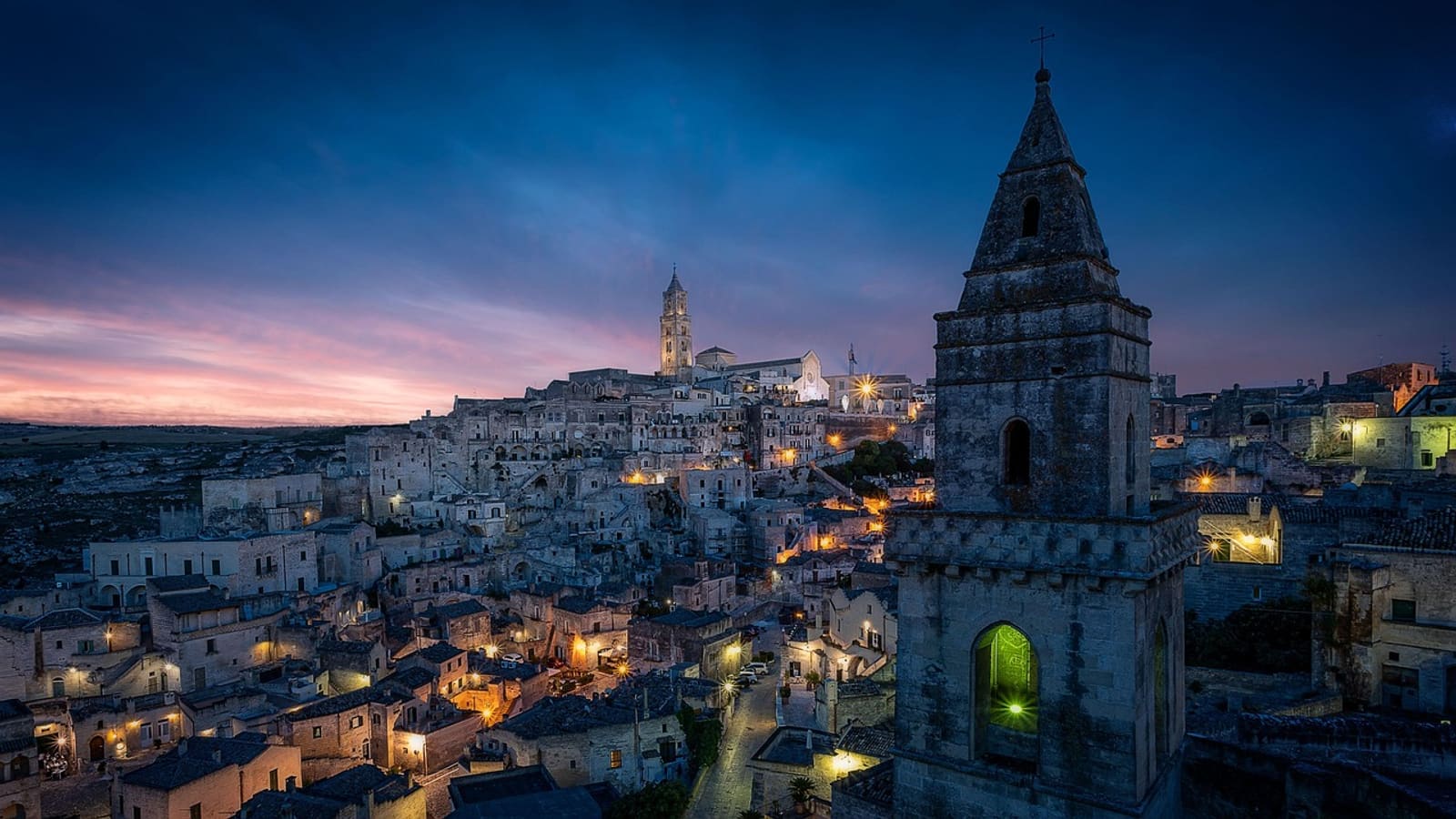
The Sassi and the Park of the Rupestrian Churches of Matera
City of Vicenza and the Palladian Villas of the Veneto
Historic Centre of Siena
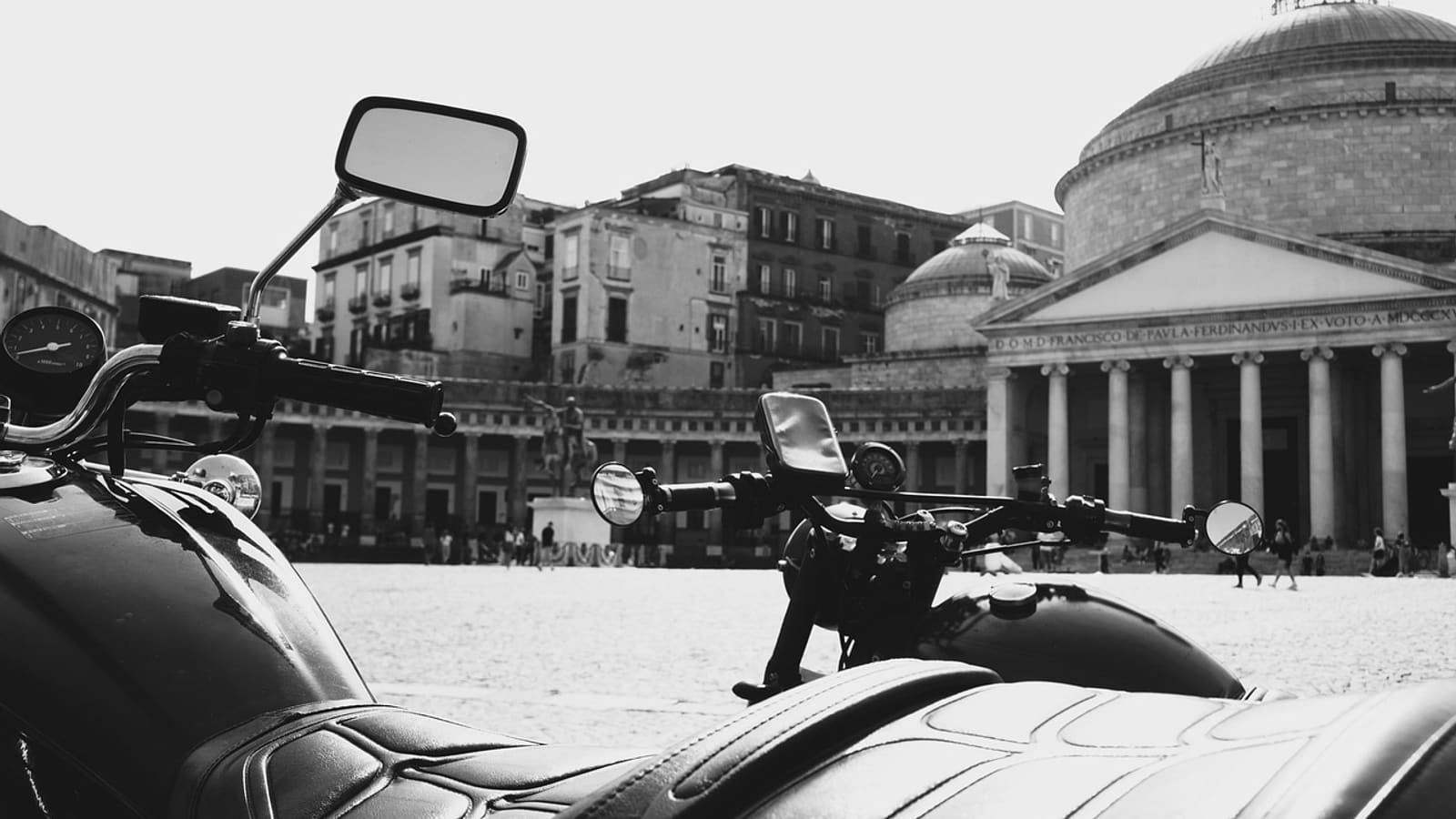
Historic Centre of Naples
Crespi d'Adda
Ferrara, City of the Renaissance, and its Po Delta
Castel del Monte
The Trulli of Alberobello
Early Christian Monuments of Ravenna
Historic Centre of the City of Pienza
18th-Century Royal Palace at Caserta with the Park, the Aqueduct of Vanvitelli, and the San Leucio Complex
Residences of the Royal House of Savoy
Botanical Garden (Orto Botanico), Padua
Portovenere, Cinque Terre, and the Islands (Palmaria, Tino and Tinetto)
Cathedral, Torre Civica and Piazza Grande, Modena
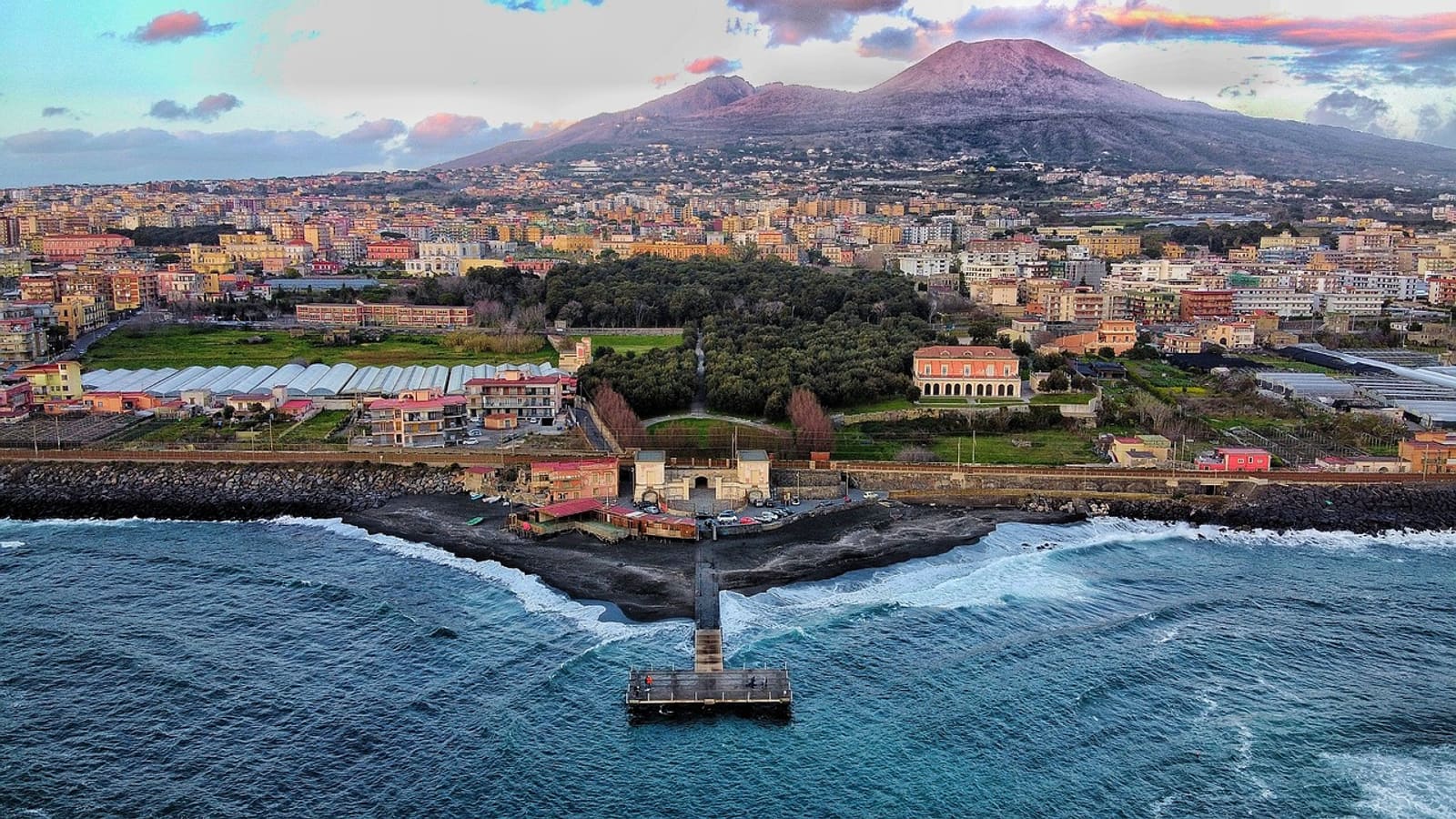
Archaeological Areas of Pompei, Herculaneum and Torre Annunziata
Costiera Amalfitana
Archaeological Area of Agrigento
Villa Romana del Casale
Su Nuraxi di Barumini
Archaeological Area and the Patriarchal Basilica of Aquileia
Historic Centre of Urbino
Cilento and Vallo di Diano National Park with the Archeological Sites of Paestum and Velia, and the Certosa di Padula
Villa Adriana (Tivoli)
City of Verona
Isole Eolie (Aeolian Islands)
Assisi, the Basilica of San Francesco and Other Franciscan Sites
Villa d'Este, Tivoli
Late Baroque Towns of the Val di Noto (South-Eastern Sicily)
Sacri Monti of Piedmont and Lombardy
Monte San Giorgio
Val d'Orcia
Etruscan Necropolises of Cerveteri and Tarquinia
Syracuse and the Rocky Necropolis of Pantalica
Genoa: Le Strade Nuove and the system of the Palazzi dei Rolli
Ancient and Primeval Beech Forests of the Carpathians and Other Regions of Europe
Rhaetian Railway in the Albula / Bernina Landscapes
Mantua and Sabbioneta
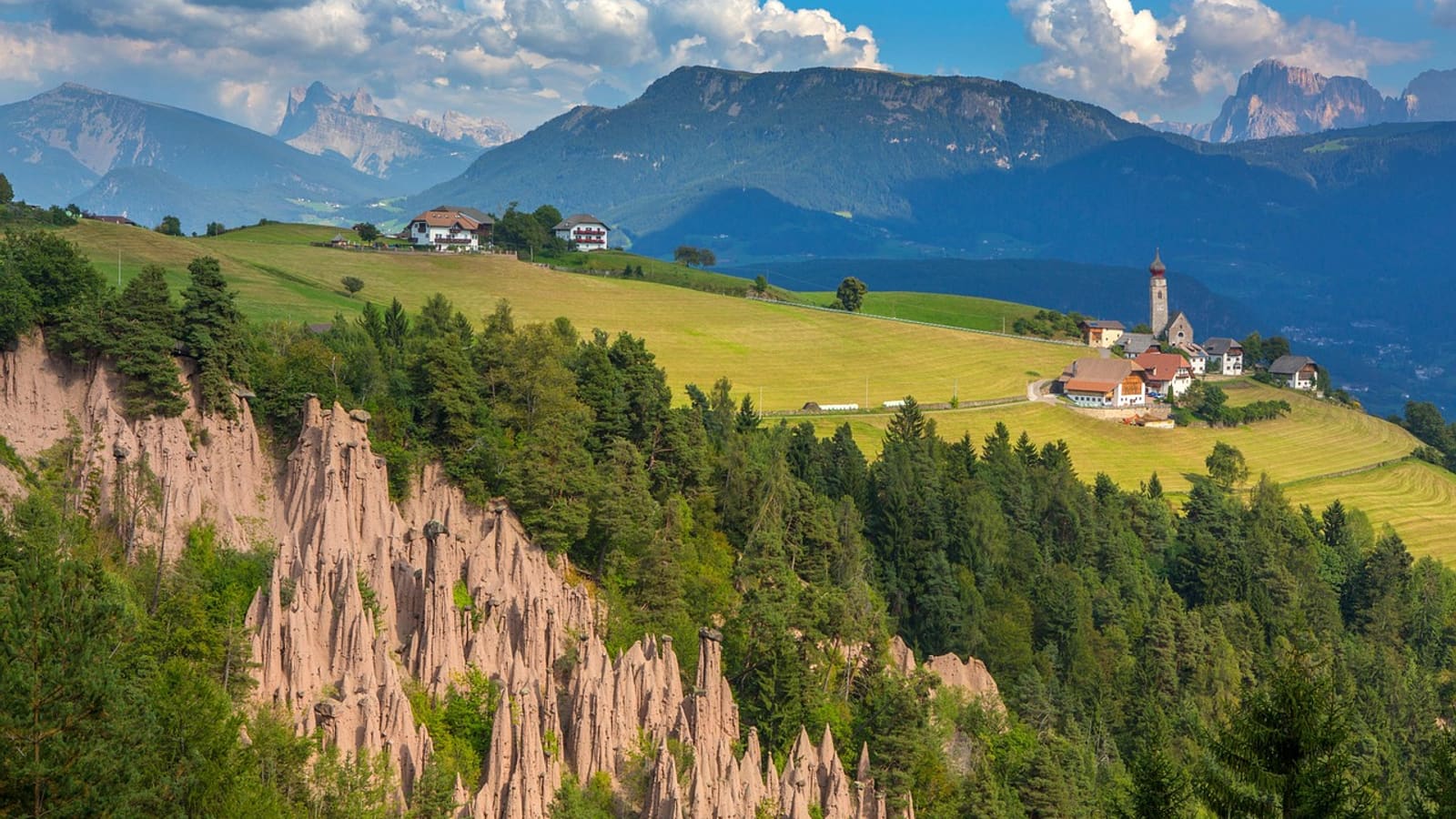
The Dolomites
Longobards in Italy. Places of the Power (568-774 A.D.)
Prehistoric Pile Dwellings around the Alps
Medici Villas and Gardens in Tuscany
Mount Etna
Vineyard Landscape of Piedmont: Langhe-Roero and Monferrato
Arab-Norman Palermo and the Cathedral Churches of Cefalú and Monreale
Venetian Works of Defence between the 16th and 17th Centuries: Stato da Terra – Western Stato da Mar
Ivrea, industrial city of the 20th century
Le Colline del Prosecco di Conegliano e Valdobbiadene
The Great Spa Towns of Europe
Padua’s fourteenth-century fresco cycles
The Porticoes of Bologna
Evaporitic Karst and Caves of Northern Apennines
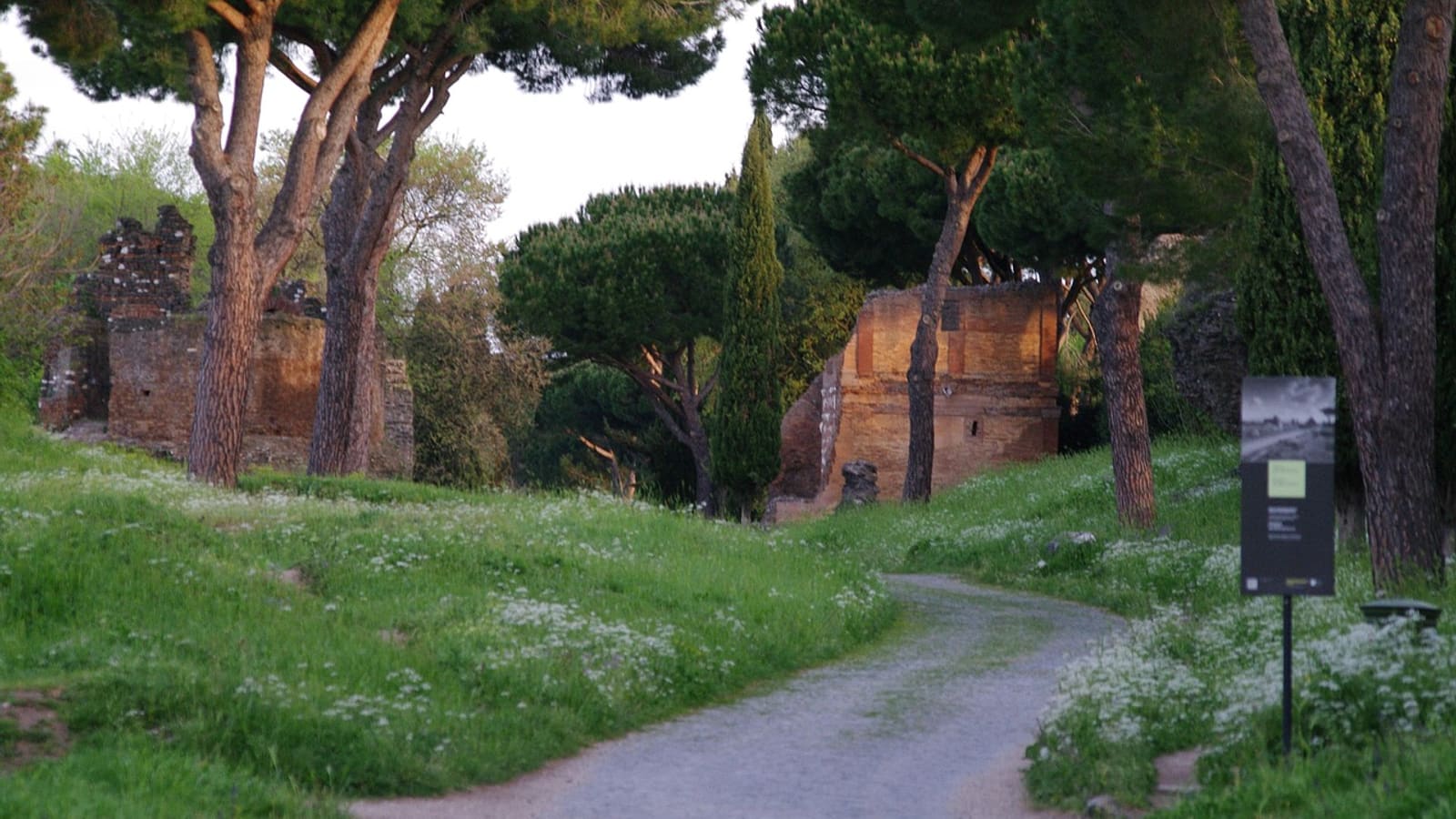
Via Appia. Regina Viarum
Funerary Tradition in the Prehistory of Sardinia – The domus de janas
The system of Italian-style condominio theatres of the 18th and 19th centuries in Central Italy
Q&A
Answers to your questions
How many UNESCO World Heritage Sites does Italy have?
62 sites recognised by UNESCO as World Heritage — cultural, natural or mixed.
What's the difference between a cultural and natural site?
A cultural site is human-made (an old town, a monument, an archaeological site); a natural site is a unique geological/ecological feature; a mixed site is both.
About this page
Written and checked by the Around the World team. We compare prices across the major providers, cross-check official sources, and update when something changes. We have no stake in any one provider — links are affiliate links, and the price is the same for you.
Sources: Site list: UNESCO World Heritage List (CC BY-SA 4.0)