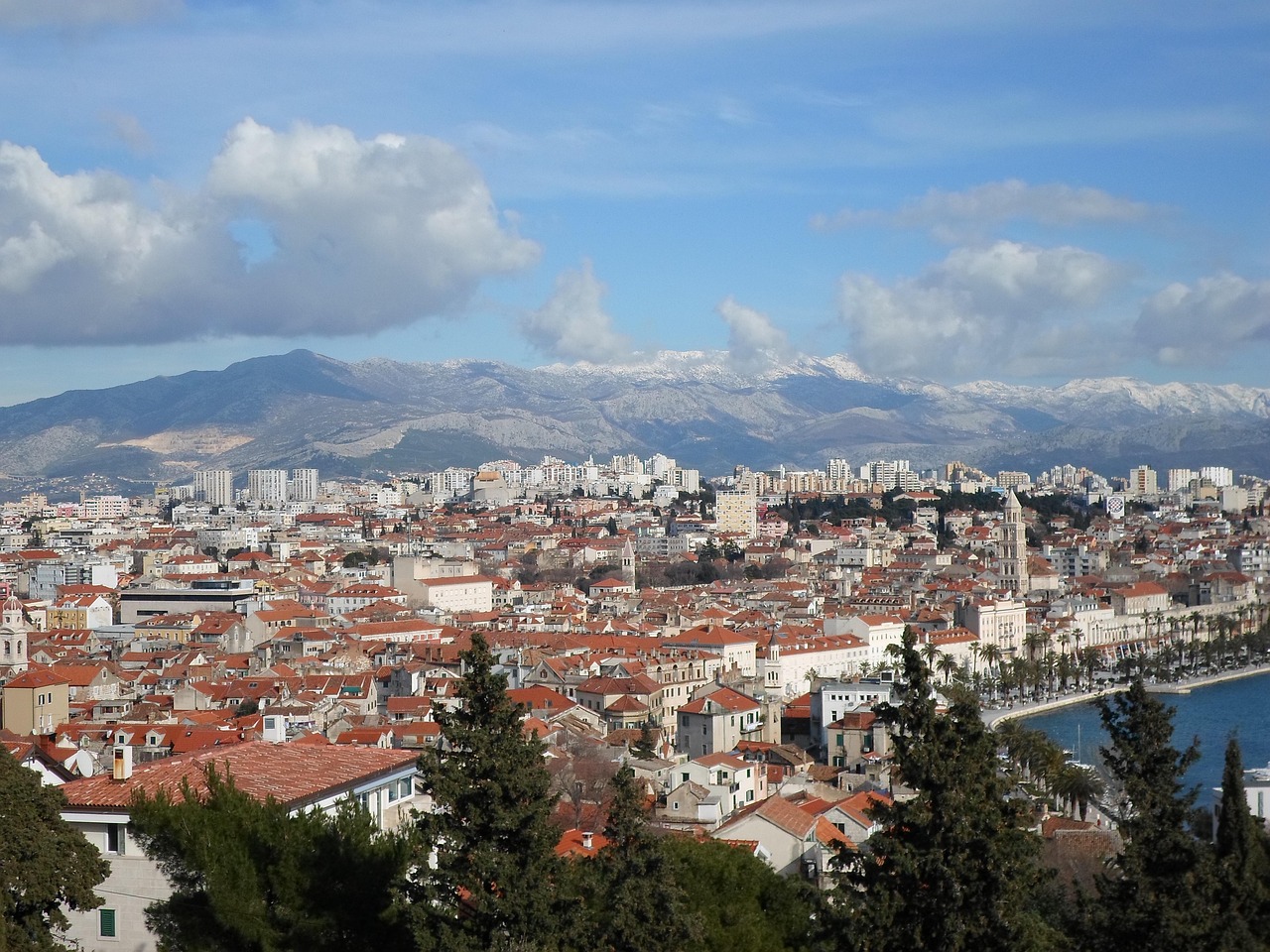


Split is a city that seamlessly blends ancient history with vibrant Mediterranean culture. Home to the UNESCO-listed Diocletian’s Palace, this historical site is a must-see for any traveler, where the past meets the present in bustling squares and charming streets. Beyond its rich history, Split also boasts stunning Adriatic coastlines and lively waterfront promenades.
Our team at atworld has explored Split extensively, uncovering the best places to eat, stay, and visit. The city is not just a destination; it’s an experience filled with flavors, sights, and sounds that will leave you wanting more. Whether you’re wandering through the historic old town or enjoying fresh seafood by the harbor, there’s something for everyone.
At atworld, we compare prices among the leading companies for flights, hotels, travel insurance, transfers, taxis, and tours—all in one place and at smart prices. Join us as we dive into everything Split has to offer in our guide for your trip to Split, Croatia 2026.
Split has a population of around 180,000 residents, making it one of Croatia’s largest cities. The primary language spoken here is Croatian, which may sound unique to visitors, with its distinct Slavic roots and melodic intonations. However, many locals in tourist areas also speak English, so travelers will find it relatively easy to navigate.
In terms of currency, Croatia uses the Euro (EUR) as of 2023. We recommend exchanging money at official exchange offices or ATMs, located throughout the city, particularly near the Riva waterfront and in the old town. Keep in mind that some smaller establishments may only accept cash.
Split is in the Central European Time Zone (CET), which is UTC+1. When it comes to safety, Split is generally considered safe for tourists, but like any popular destination, it’s advisable to stay vigilant and watch for petty crimes such as pickpocketing. The city experiences a Mediterranean climate, characterized by hot summers and mild winters, making it a year-round destination.
Old Town is the heart of Split, where ancient Roman architecture and modern life coexist. Walking along the narrow cobblestone streets, travelers can admire the stunning architecture of Diocletian’s Palace and the bustling atmosphere of the local markets. The vibrant sounds of street musicians and the aroma of fresh pastries from nearby bakeries fill the air, creating a lively, welcoming environment.
This neighborhood is home to important sites like the Cathedral of Saint Domnius and the Peristyle, where visitors can often hear live performances. With its countless shops, cafes, and historical landmarks, Old Town is a must-visit area for anyone looking to experience Split’s rich culture.
Vestibul is a lesser-known part of Diocletian’s Palace, featuring a stunning dome and impressive columns that often go unnoticed by travelers. Located just off the main square, this tranquil space offers a moment of peace amidst the bustling city.
Marjan Hill is a lush oasis just a short walk from Split’s city center, offering stunning panoramic views of the city and surrounding islands. The area is filled with walking paths, pine trees, and hidden chapels, making it a favorite spot for both locals and visitors. The sweet scent of pine trees and the sound of birds chirping create a serene escape from the city’s hustle.
Travelers can explore numerous trails leading to picturesque viewpoints, perfect for taking memorable photos. The hill is a popular spot for jogging and cycling, making it an ideal location for outdoor enthusiasts.
Bene Beach, located on the slopes of Marjan Hill, offers a more relaxed atmosphere away from the crowded city beaches. Surrounded by pine trees, this beach features a café and a playground, making it a great spot for families.
The Veli Varoš neighborhood is one of Split’s oldest districts, characterized by its charming narrow streets and traditional stone houses. This area showcases authentic Split life, with locals going about their daily routines. The sound of laughter and the smell of traditional cooking wafting from local eateries add to its inviting atmosphere.
We recommend visiting the small, family-run taverns here for an authentic dining experience. Veli Varoš is also home to several small shops and galleries, offering handmade crafts and local art.
Pjaca Varoš is a quaint square tucked away in Veli Varoš, featuring a beautiful fountain and a peaceful ambiance. It’s an excellent place to sit and unwind, away from the tourist crowds.
Bačvice is known for its sandy beach and vibrant nightlife, making it a popular area among both locals and tourists. The beach is lined with cafés and bars, creating a lively atmosphere where the sounds of laughter and music fill the air. Travelers can enjoy sunbathing during the day and dancing at beach clubs at night.
This neighborhood is also famous for the traditional game of picigin, where players splash around in the shallow waters. We recommend visiting Bačvice for those looking to experience Split’s social scene.
Zenta is a quieter beach area located just a short walk from Bačvice, offering a more relaxed environment. It’s perfect for travelers seeking a peaceful spot to enjoy the sun.
Trstenik is a residential area that showcases the local lifestyle away from the tourist hustle. With its tree-lined streets and family homes, it offers an authentic glimpse into everyday life in Split. The soothing sounds of children playing and the aroma of home-cooked meals create a comforting atmosphere.
Travelers can explore local shops and enjoy traditional cafes serving delicious pastries and coffee. Trstenik is a great place for those looking to interact with locals and experience the city’s genuine culture.
Marjan Park is a beautiful green space within Trstenik, perfect for leisurely strolls or picnics. The park features walking trails and stunning views of the Adriatic Sea.
Diocletian’s Palace is one of the most significant historical sites in Split, built in the 4th century. This UNESCO World Heritage site features impressive Roman architecture, including the Cathedral of Saint Domnius, which once served as a mausoleum. Visitors will experience the grandeur of ancient Rome as they walk through its well-preserved walls and bustling squares.
We suggest arriving early in the morning to avoid crowds and fully appreciate the site’s beauty. At atworld, we compare prices for tickets and guided tours—book in advance for the best deals.
The Cathedral of Saint Domnius is located within Diocletian’s Palace and is known for its stunning bell tower. Visitors can climb the tower for breathtaking views of Split and the surrounding area. The interior features beautiful Romanesque architecture and intricate artwork.
Travelers should consider visiting during the late afternoon when the sunlight enhances the beauty of the cathedral. At atworld, we compare prices for tickets, ensuring you have access to the best options available.
The Riva is Split’s vibrant promenade, lined with cafés and palm trees, offering a perfect spot to relax and people-watch. Travelers will find plenty of outdoor seating where they can enjoy a coffee or a local pastry while taking in views of the harbor.
We recommend visiting the Riva in the evening when the atmosphere comes alive with street performers and locals enjoying the sunset. At atworld, we help travelers find the best hotel deals near the Riva for a convenient stay.
Marjan Hill offers stunning panoramic views of Split and the Adriatic Sea. The area is perfect for hiking or biking, with several trails leading to scenic viewpoints. Visitors will feel refreshed by the natural beauty surrounding them.
Travelers can reach Marjan Hill by foot from the city center, making it an easy excursion. We suggest bringing a camera to capture the breathtaking views. At atworld, we compare prices for guided tours of Marjan Hill for those who prefer a structured experience.
The Split Archaeological Museum houses a vast collection of artifacts from the region, providing insight into Croatia’s rich history. Key exhibits include ancient Roman coins, sculptures, and inscriptions. Visitors will appreciate the museum’s quiet atmosphere, perfect for exploring at a leisurely pace.
We recommend visiting during weekdays to avoid crowds. At atworld, we help travelers find the best deals for museum tickets and tours.
Marjan Park is a lush green space located on the Marjan Hill, offering stunning views of the Adriatic Sea and surrounding islands. Visitors can enjoy walking or cycling along the various paths that wind through the park. The best time to visit is in the early morning or late afternoon when the temperatures are cooler, and the park is less crowded.
Travelers can reach Marjan Park by walking from the city center, making it an accessible escape for a leisurely afternoon.
Znjan Beach is a popular spot for sunbathing and swimming, featuring pebbly shores and clear blue waters. The beach is ideal for families, with nearby cafés and facilities. Visiting in the late afternoon allows travelers to enjoy the sunset views.
Travelers can take a bus from the city center to Znjan Beach, which is about a 20-minute ride. The beach tends to be quieter in the mornings.
Jezero Park is a small, tranquil park located near the city center, featuring a lovely lake and shaded walking paths. It’s perfect for a relaxing stroll or a picnic. The best time to visit is during the spring when the flowers are in bloom.
Travelers can easily reach Jezero Park by foot from the old town, making it a convenient stop for a peaceful break.
There are no results matching your search
The Green Market, located near the old town, is a vibrant local market where travelers can find fresh produce, flowers, and local delicacies. This spot offers travelers an authentic taste of Split’s local life. The lively atmosphere filled with the sounds of vendors calling out their products is a unique experience.
We suggest visiting early in the morning for the freshest goods and a chance to interact with local vendors.
Insider Tip from atworld: Try the local olives and cheeses for a true taste of Dalmatia.
St. Nicholas Church is a hidden gem in the Veli Varoš neighborhood, known for its quaint architecture and peaceful ambiance. This church offers travelers a moment of tranquility away from the busy tourist areas. The serene atmosphere allows for reflection and appreciation of local culture.
We recommend visiting during the weekday mornings when it is less crowded.
Insider Tip from atworld: Take a moment to sit in the church courtyard for a peaceful break.
This museum, located near the city center, showcases an extensive collection of Croatian history and culture. It’s less frequented by tourists, providing a more intimate experience. This spot offers travelers a deeper understanding of the region’s historical significance.
We suggest visiting in the afternoon when the museum is quieter.
Insider Tip from atworld: Look for special exhibits featuring local artists.
Traditional dishes in Split include fresh seafood, grilled meats, and local vegetables. Signature dishes such as pašticada (a slow-cooked beef stew) and black risotto (made with cuttlefish ink) are a must-try. We recommend dining at restaurants like Konoba Fife and Bistro Varoš for authentic flavors.
Meal customs in Split typically involve a leisurely pace, with lunch being the main meal of the day. The markets, such as the Green Market, are vibrant spaces filled with local produce and artisanal products. Travelers will experience the lively atmosphere while sampling local delicacies.
The café culture in Split is lively, with numerous spots offering coffee and pastries. Popular drinks include espresso and cappuccino. The best neighborhoods for cafés include the Riva and Old Town, where travelers can relax and enjoy the local ambiance.
Split boasts a vibrant nightlife scene, especially around Bačvice and the Riva. Travelers will find a mix of bars, clubs, and live music venues. Popular spots include Central the Club and The Club Dvor, known for their lively atmospheres.
Dates: August 1-3, 2026. What to Expect: This festival features traditional music, dance performances, and local food stalls, creating a lively atmosphere throughout the city. Food Highlights: Sample local specialties such as grilled fish and homemade pastries. Booking Tip: Book accommodation in advance as this event attracts many visitors.
Dates: July 15-20, 2026. What to Expect: This festival features outdoor concerts, art exhibitions, and workshops in the scenic Marjan Park. Attendees can experience a blend of nature and culture. Food Highlights: Enjoy local wines and cheese from nearby vendors. Booking Tip: Reserve tickets for special events early.
Dates: February 6-9, 2026. What to Expect: This colorful event features parades, costumes, and street performances, filling the city with excitement. Food Highlights: Try traditional carnival treats like fritule (sweet doughnuts). Booking Tip: Book early for festival accommodations as hotels fill up quickly.
Dates: May 7, 2026. What to Expect: The city celebrates its history with various cultural events, including guided tours and local performances. Food Highlights: Enjoy local dishes at street food stalls. Booking Tip: Check local listings for specific events and timings.
Dates: September 10-12, 2026. What to Expect: This festival celebrates maritime culture with boat races, seafood tastings, and music. Food Highlights: Savor fresh seafood dishes from local chefs. Booking Tip: Early booking for accommodations is recommended as this event is popular.
Trogir is a UNESCO World Heritage site known for its well-preserved medieval architecture. Travelers can explore the charming streets and visit the Cathedral of St. Lawrence. The journey from Split takes about 30 minutes by bus, costing around 30 HRK. We recommend spending a few hours to fully enjoy the historical sites.
Krka National Park is famous for its stunning waterfalls and lush landscapes. Visitors can hike the trails and enjoy swimming in the clear waters. Travelers can reach the park by bus in about 1.5 hours, with tickets costing around 100 HRK. We recommend spending a full day to explore the park’s beauty.
Šibenik is known for its historic fortresses and beautiful waterfront. Key attractions include St. James Cathedral and the UNESCO-listed Fortresses. The bus ride from Split takes around 1.5 hours and costs approximately 50 HRK. We suggest visiting for a day trip to experience the coastal charm.
The public transport system in Split consists of buses that connect various neighborhoods and key attractions. Payment can be made using single tickets or travel cards, which can be purchased at kiosks or on buses. Key routes for tourists include buses to Bačvice Beach and Marjan Park.
Travelers can use taxi services or ride-sharing apps like Bolt and Uber in Split. Typical costs for short rides within the city range from 50 to 100 HRK. We recommend agreeing on a fare before starting your journey.
Split is a walkable city, with many attractions located within a short distance from each other. Travelers can also rent bikes from local shops, making it easy to explore the coastal paths. Pedestrian areas in the Old Town add to the accessibility.
For day trips from Split, travelers can use local buses to reach nearby destinations like Trogir or Krka National Park. The journey typically takes around an hour and costs approximately 50 HRK. We recommend checking the bus schedule in advance.
Travelers can get from Split Airport to the city center by shuttle bus, taxi, or private transfer. The shuttle bus is the most economical option, taking about 30 minutes and costing around 50 HRK. At atworld, we compare prices for airport transfers and car rentals from all major companies.
Spring brings mild weather to Split, with temperatures ranging from 10°C to 20°C. Visitors will find blooming flowers and green landscapes, perfect for outdoor activities. The city is less crowded during this season, allowing for a more relaxed experience. What to Pack: Lightweight jackets, sweaters, comfortable shoes, sunglasses, and a reusable water bottle.
Summer temperatures in Split reach highs of 30°C, making it ideal for beach activities and outdoor festivals. The vibrant atmosphere attracts many tourists, leading to busier streets and attractions. What to Pack: Swimwear, sunscreen, light clothing, hats, and beach towels.
Autumn sees temperatures ranging from 15°C to 25°C, with pleasant weather for exploring the city. The crowds begin to thin out, providing a peaceful environment. What to Pack: Light layers, comfortable walking shoes, and a light jacket for cooler evenings.
Winter in Split is mild, with temperatures averaging between 5°C and 15°C. Visitors can enjoy quieter attractions and festive holiday decorations. What to Pack: Warm clothing, waterproof shoes, and a light scarf.
Money and Currency in Split: Travelers will find ATMs widely available, with most accepting international cards. In restaurants, a tip of 10-15% is customary. It’s best to carry some cash for smaller purchases, especially at markets.
Local Etiquette and Customs: Greetings in Split typically involve a handshake, and it’s polite to say ‘Dobar dan’ (Good day). Dress codes are generally casual, though more formal attire is expected at religious sites. Respecting local customs is essential.
Safety Tips and Common Scams in Split: Travelers should be cautious of pickpockets in crowded areas. Emergency numbers include 112 for police and 94 for fire. Safe areas include Old Town and Riva.
Health and Medical: Pharmacies are located throughout the city, with notable ones near the Old Town. Hospitals like KBC Split provide comprehensive care. Tap water is safe to drink, but bottled water is widely available.
Language Essentials: Key phrases include: ‘Dobar dan’ (Good day), ‘Hvala’ (Thank you), ‘Molim’ (Please), ‘Gdje je…?’ (Where is…?), ‘Koliko to košta?’ (How much does it cost?), ‘Da’ (Yes), ‘Ne’ (No), ‘Izvolite’ (Here you go), ‘Razumijem’ (I understand), ‘Ne razumijem’ (I don’t understand).
Travel Insurance and Connectivity: We advise travelers to secure comprehensive travel insurance for peace of mind. SIM cards from local providers like T-Mobile and VIP are available, with costs around 100 HRK for basic packages. Wi-Fi is widely available in cafés and hotels.
Split offers a unique blend of history, culture, and stunning landscapes that set it apart as a memorable destination. From exploring the ancient Diocletian’s Palace to enjoying meals at local taverns, there are countless experiences to cherish. This vibrant city is a place where travelers can feel the pulse of Croatia.
We at atworld make travel planning to Split easier by comparing prices across flights, hotels, insurance, transfers, and tours—all in one place at smart prices. With numerous attractions and hidden gems waiting to be discovered, Split promises a transformative experience for every visitor. So pack a suitcase, set your dates, and let us write the next amazing chapter of your travels together—with smart prices that leave more money for unforgettable experiences.

