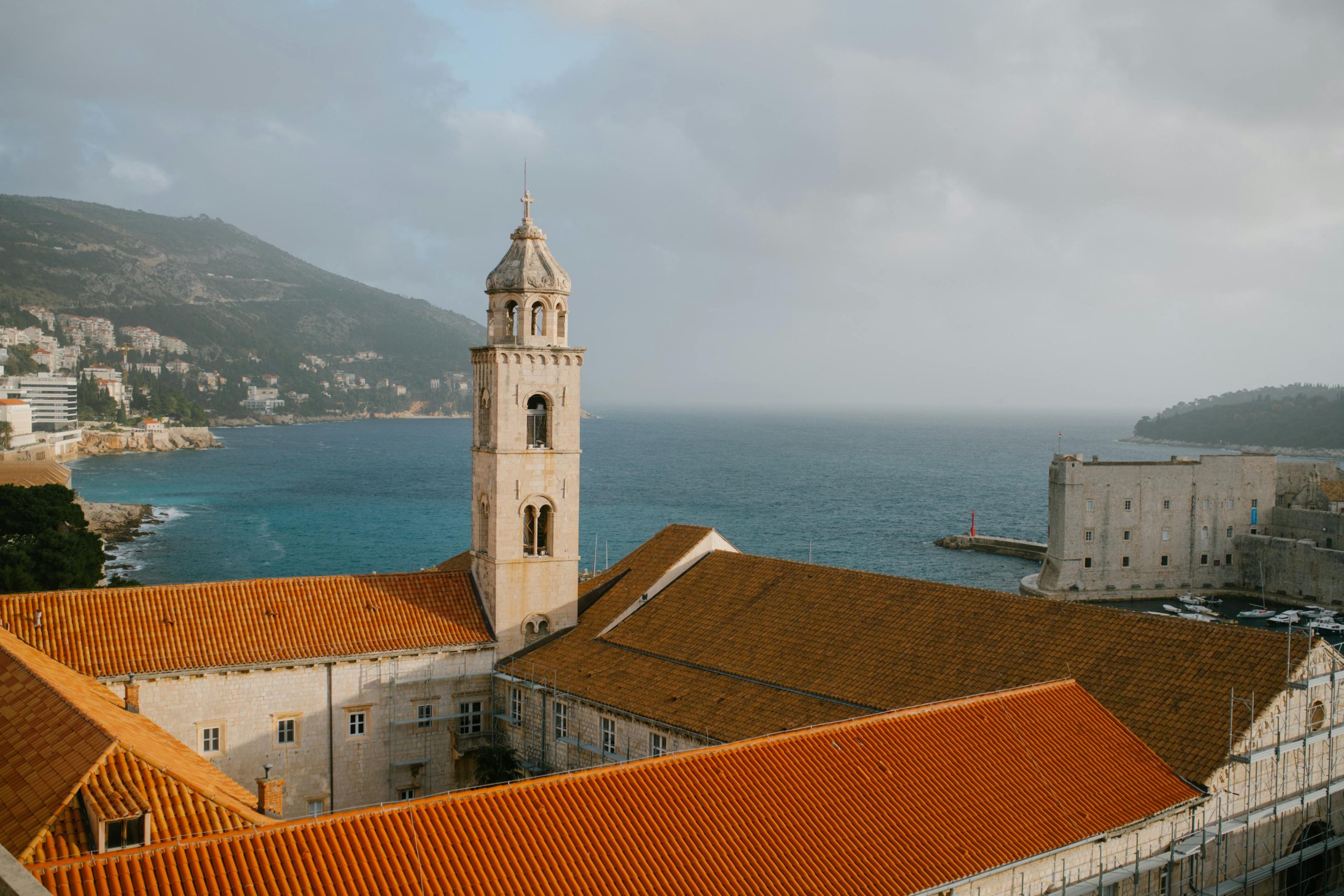


Croatia is a destination that combines stunning coastal landscapes with rich historical heritage. From the ancient city walls of Dubrovnik to the breathtaking Plitvice Lakes National Park, this country offers something for every traveler. The mix of Mediterranean culture and scenic beauty makes Croatia a must-visit.
We at atworld have explored Croatia extensively and have crafted this guide to help you navigate its many offerings. Whether you’re wandering through cobblestone streets or relaxing on sun-kissed beaches, Croatia brings unique experiences that will stay with you long after your visit.
At atworld, we compare prices among the leading companies for flights, hotels, travel insurance, transfers, taxis, and tours—all in one place and at smart prices. Our goal is to help you plan the perfect trip to Croatia in 2026.
With a population of around 4 million, Croatia is a vibrant country with diverse cultures and traditions. The official language is Croatian, known for its unique characters and phonetic nature, making it relatively easy to pronounce for English speakers.
Currency-wise, Croatia uses the Euro (EUR). We recommend exchanging currency at official exchange offices or withdrawing cash from ATMs for better rates. You’ll find many ATMs in major cities like Zagreb and Split.
Travelers will find Croatia in the Central European Time Zone (CET), which is UTC +1. In terms of safety, Croatia is generally safe for tourists, but we advise remaining cautious in crowded areas.
The climate varies by region, with coastal areas enjoying a Mediterranean climate, while inland regions have a more continental climate. Summers are hot, and winters can be quite cold, especially in the north.
This capital city is a blend of history and modernity. The Upper Town is home to iconic landmarks such as St. Mark’s Church and the Lotrščak Tower, while the Lower Town features bustling shopping streets and cafes. The atmosphere is lively, with street performers and outdoor markets filling the air with sounds of laughter and chatter.
We recommend visiting the Museum of Broken Relationships, a unique cultural space that tells stories of lost love. Travelers can explore hidden corners of the city in neighborhoods like Tkalčićeva Street, lined with colorful buildings and cozy eateries.
Just a short ride from the city center, Medvednica Mountain offers hiking trails and stunning views of Zagreb. It’s a great escape for nature lovers looking to unwind.
Often called the
This attraction features a 2-kilometer-long wall that encircles the Old Town of Dubrovnik. Dating back to the 13th century, these walls were built for fortification and give visitors a unique perspective of the city from above. Walking along the walls, you can see the red rooftops of the city contrasted against the deep blue Adriatic Sea.
Visitors will experience breathtaking views, especially at sunset when the sun casts a golden glow on the stones. We suggest arriving early in the morning to avoid crowds and enjoy a quieter experience. At atworld, we compare prices for tickets, tours, and activities—book in advance for the best deals.
With its series of cascading lakes and waterfalls, Plitvice Lakes National Park is a UNESCO World Heritage site. The park features 16 interconnected lakes, known for their vibrant colors ranging from azure to green. Visitors can walk along wooden pathways that meander through lush forests and stunning landscapes.
Travelers can expect to feel the mist from the waterfalls and hear the soothing sounds of nature. We suggest visiting in early spring or late autumn for fewer crowds and a more tranquil experience. At atworld, we compare prices for tickets and guided tours to help you plan your visit.
This attraction features a Roman palace built in the 4th century that serves as the heart of Split. The palace complex includes ancient ruins, shops, and living spaces, making it a vibrant area to explore. The blend of history and modern life creates a unique atmosphere for visitors.
Visitors will walk through the Peristyle and see the Cathedral of Saint Domnius, experiencing a mix of ancient architecture and lively street life. We suggest visiting early in the day to enjoy the site before it gets crowded. At atworld, we help travelers compare prices for guided tours and entry tickets.
This attraction features the historic core of Croatia’s capital, known for its medieval architecture and vibrant atmosphere. Visitors can explore the cobblestone streets, visit St. Mark’s Church, and relax in the bustling cafes. The area is lively with street performers and local markets.
Travelers will enjoy the cultural richness of the Old Town, with its blend of history and modern life. We recommend exploring in the late afternoon when the area is illuminated by warm lighting. At atworld, we compare prices for tours and activities in Zagreb.
This national park features stunning waterfalls and lush landscapes, with the highlight being Skradinski Buk waterfall. Visitors can swim in the designated areas and explore the park’s natural beauty. The park is less crowded than Plitvice, making it a great alternative for nature lovers.
Travelers can enjoy a day of hiking and swimming, surrounded by the sounds of cascading water. We suggest visiting in the summer for the full experience of swimming in the stunning blue waters. At atworld, we help travelers find the best deals for entry tickets and guided tours.
This park features dramatic canyons and rugged mountains, ideal for hiking and climbing. Visitors will experience stunning views of the Velebit mountain range and the Adriatic Sea. It’s a great spot for adventure enthusiasts looking to explore Croatia’s natural beauty.
Travelers can reach the park by bus from Zadar, which takes about 1.5 hours. We recommend visiting in spring or autumn when the weather is mild and perfect for outdoor activities.
The viewpoint offers panoramic views of Dubrovnik and the surrounding coastline. Visitors can hike or take a cable car to the top, where they’ll find a restaurant and observation area. It’s an excellent spot for photography and enjoying the sunset.
Travelers can reach the base by a short walk from the Old Town. We suggest visiting in the late afternoon for the best lighting and fewer crowds.
This mountain range features diverse landscapes, including forests, alpine meadows, and deep canyons. It’s perfect for hiking and exploring Croatia’s natural biodiversity. The area is known for its stunning vistas and rich wildlife.
Travelers can access Velebit via various hiking trails, with the most popular starting from the town of Gospić. We recommend visiting during the summer for the best weather and views.
Our team discovered Vis Island, known for its secluded beaches and crystal-clear waters. This spot offers travelers a chance to escape the crowds and enjoy a laid-back atmosphere. Getting there requires a ferry from Split, taking about 2 hours.
Insider Tip from atworld: Visit in early September for warm weather and fewer tourists.
This charming coastal town is often overlooked by tourists. Šibenik features beautiful medieval architecture, including St. James Cathedral, a UNESCO World Heritage Site. We suggest visiting the town’s waterfront promenade for local eateries and shops.
Insider Tip from atworld: Explore the town in the evening when the streets are lit up and lively.
This nature park is a hidden gem in eastern Croatia, known for its wetlands and biodiversity. Travelers can enjoy birdwatching and peaceful walks in this serene environment. The park is accessible by car from Osijek.
Insider Tip from atworld: Visit during spring for the best birdwatching opportunities.
Rovinj is a picturesque town on the Istrian Peninsula, famous for its colorful buildings and charming old town. This spot offers travelers stunning views of the Adriatic Sea and a vibrant atmosphere. To find Rovinj, navigate towards the coastal road from Pula.
Insider Tip from atworld: Enjoy a sunset stroll along the waterfront for a magical experience.
Traditional dishes include peka, a slow-cooked meat and vegetable dish, and paški sir, a sheep cheese from Pag Island. Travelers will taste the Mediterranean influence in dishes like grilled fish and olive oil drizzled on fresh bread. Local restaurants in coastal towns serve these specialties.
Dining culture emphasizes fresh ingredients and communal meals. Travelers will enjoy bustling markets like Dolac Market in Zagreb, filled with local produce and artisanal goods. Typical meal times range from 1 PM to 3 PM for lunch and 8 PM for dinner.
The café culture features outdoor seating, perfect for enjoying coffee and pastries like kremšnita, a cream cake. Popular cafés in neighborhoods like Tkalčićeva Street in Zagreb create a lively atmosphere for socializing.
Nightlife in Croatia varies by region, with districts like Split’s Riva waterfront and Zagreb’s Tkalčićeva Street buzzing with bars and clubs. Travelers can find options ranging from laid-back pubs to vibrant nightclubs, providing great entertainment.
Dates: July 10 – August 25, 2026. This festival features theater performances, concerts, and art exhibitions in stunning locations throughout the city. Attendees can experience the vibrant atmosphere of Dubrovnik in summer.
Food Highlights: Local seafood and traditional dishes are served at various food stalls. We recommend trying fresh oysters. Booking Tip: Book accommodations and event tickets at least a month in advance.
Dates: August 1 – August 15, 2026. This festival features local music and cultural performances in the heart of Split. Attendees can experience the lively street atmosphere and engage with local artists.
Food Highlights: Traditional pastries and regional wines are available throughout the festival. We suggest sampling local wines. Booking Tip: Early booking is essential for popular shows.
Dates: August 20 – August 27, 2026. This festival features street performers, art displays, and food stalls in the historic town of Varaždin. Attendees can enjoy a family-friendly atmosphere filled with entertainment.
Food Highlights: Local dishes like štrukli are served, making it a culinary delight. Booking Tip: Book accommodations in advance to secure the best locations.
Dates: September 15 – September 18, 2026. This festival features tastings of local wines and cheeses in the town of Poreč. Attendees can experience the rich flavors of Istria.
Food Highlights: Try the local truffle cheese and Istrian wines. Booking Tip: Reserve tickets early to avoid disappointment.
Dates: December 1 – December 31, 2026. This festival features Christmas markets, concerts, and festive decorations throughout the city. Attendees can experience the holiday spirit in the capital.
Food Highlights: Traditional holiday treats like fritule and mulled wine are a must-try. Booking Tip: Plan your visit early to enjoy the festive atmosphere.
The metro system covers Zagreb and is efficient for getting around the city. Travelers can use the public transport card for unlimited travel. Key routes connect major attractions and neighborhoods.
Taxis are widely available, and apps like Uber operate in major cities. Typical costs range from 5 to 10 EUR for short rides. We recommend confirming rates before starting your journey.
Renting a car is useful for exploring rural areas and national parks. Driving conditions are generally good, but be cautious of winding roads in mountainous regions. Parking is available in cities but can be limited in tourist hotspots.
Many cities have pedestrian areas, especially in the Old Towns. Travelers can rent bikes in cities like Split and Dubrovnik for an easy way to explore. We recommend following designated bike lanes for safety.
Spring brings mild temperatures ranging from 10 to 20°C. The weather is generally sunny with occasional rain showers. Travelers will enjoy blooming flowers and fewer crowds in popular tourist areas.
What to Pack: Light jackets, comfortable shoes, sunscreen, sunglasses, and a reusable water bottle.
Summer temperatures reach highs of 30°C, ideal for beach activities. The coastal areas are bustling with tourists, especially in July and August. Expect long sunny days perfect for outdoor exploration.
What to Pack: Swimwear, hats, sunglasses, shorts, and sandals.
Autumn offers cooler temperatures between 10 to 20°C, with beautiful fall foliage. It’s an excellent time for hiking and exploring the countryside with fewer tourists.
What to Pack: Layered clothing, comfortable hiking shoes, and a light jacket.
Winter can be chilly, with temperatures ranging from -5 to 10°C, especially in the north. Coastal areas are milder but quieter in terms of tourists.
What to Pack: Warm clothing, gloves, hats, and sturdy shoes.
Money and Currency: Payment methods include credit cards and cash. ATMs are widely available in cities, while tipping customs suggest rounding up bills in restaurants and taxis.
Local Etiquette and Customs: Greetings are often accompanied by a handshake. Dining manners include waiting for everyone to be served before starting a meal. Dress codes in churches require modest attire.
Safety Tips and Common Scams: Avoid unlicensed taxis and be cautious of pickpockets in crowded areas. Emergency numbers include 112 for police and medical services.
Health and Medical: Pharmacies are readily available, and hospitals are located in major cities. Tap water is safe to drink in most areas.
Language Essentials: Key phrases include:
Travel Insurance and Connectivity: We advise travelers to obtain travel insurance for peace of mind. SIM cards are available from providers like T-Mobile and A1, with costs around 10 EUR for basic data plans.
In summary, Croatia is a destination that offers a diverse array of experiences, from its stunning landscapes and vibrant cities to rich cultural heritage and delicious cuisine. Whether you’re exploring the ancient city walls of Dubrovnik, hiking through Plitvice Lakes, or enjoying local dishes in Zagreb, every moment is filled with discovery.
We at atworld make travel planning easier by comparing prices across flights, hotels, insurance, transfers, and tours—all in one place at smart prices. So pack a suitcase, set your dates, and let us write the next amazing chapter of your travels together—with smart prices that leave more money for unforgettable experiences.
We are the first platform designed to simplify your entire travel journey. We eliminate the need to check dozens of websites by bringing all travel services into one powerful comparison engine.
The popular seasons to visit Croatia are spring (April to June) and fall (September to October). During spring, you can expect mild temperatures and fewer crowds, making it ideal for sightseeing. In the summer (July to August), the weather is hot and sunny, attracting large crowds, especially in coastal areas.
First-time travelers to Croatia typically need a valid passport with at least six months’ validity beyond their planned stay. Citizens of the EU, the US, Canada, and several other countries do not require a visa for stays up to 90 days. Travelers should also ensure they meet any health insurance requirements and check for any updates regarding COVID-19 restrictions or entry regulations before their trip.
The currency used in Croatia is the Euro (EUR), which replaced the Croatian Kuna in January 2023. Credit cards are widely accepted in most establishments, including hotels, restaurants, and shops, making it convenient for travelers.
The best options for getting around Croatia as a first-time traveler include using buses, which are affordable and connect major cities and towns. Trains are also available but are less extensive. For more flexibility, consider renting a car, especially for exploring coastal regions and national parks. Additionally, ferries are a great way to travel between the islands.
Some basic Croatian phrases to know include “Dobar dan” (Good day), “Hvala” (Thank you), “Molim” (Please), and “Gdje je WC?” (Where is the restroom?). Knowing these phrases can enhance your communication and overall experience while traveling in Croatia.
As a first-time traveler to Croatia, be aware of local laws and customs, keep your belongings secure to avoid theft, and stay informed about emergency services. It’s advisable to have travel insurance, know the locations of hospitals, and follow safety guidelines when swimming or hiking. Additionally, familiarize yourself with public transportation and local traffic rules.
When visiting Croatia, must-try traditional dishes include Peka, a slow-cooked meal of meat and vegetables under a bell-shaped lid; Ćevapi, grilled minced meat sausages served with flatbread; and Pašticada, a marinated beef stew typically served with gnocchi. Don’t miss out on fresh seafood, especially in coastal regions, and the famous dessert, Štrukli, a baked or boiled pastry filled with cheese.
When interacting with locals in Croatia, it’s important to greet people with a friendly “Dobar dan” (Good day) and maintain eye contact during conversations. Politeness is valued, so use “please” (molim) and “thank you” (hvala) frequently. Additionally, it’s customary to remove your shoes when entering someone’s home and to avoid discussing sensitive topics like politics or the war.
In Croatia, the standard power outlets are of type C and type F, which are commonly used in Europe. The standard voltage is 230 volts, with a frequency of 50 Hz. Visitors should ensure their devices are compatible with this voltage or use a voltage converter if necessary.
During your first trip to Croatia, you shouldn’t miss Dubrovnik, known for its stunning Old Town and ancient city walls. Split is another must-see, featuring the impressive Diocletian’s Palace. Additionally, the natural beauty of Plitvice Lakes National Park, with its cascading lakes and waterfalls, is a highlight, as well as the charming coastal city of Zadar, famous for its unique Sea Organ.

