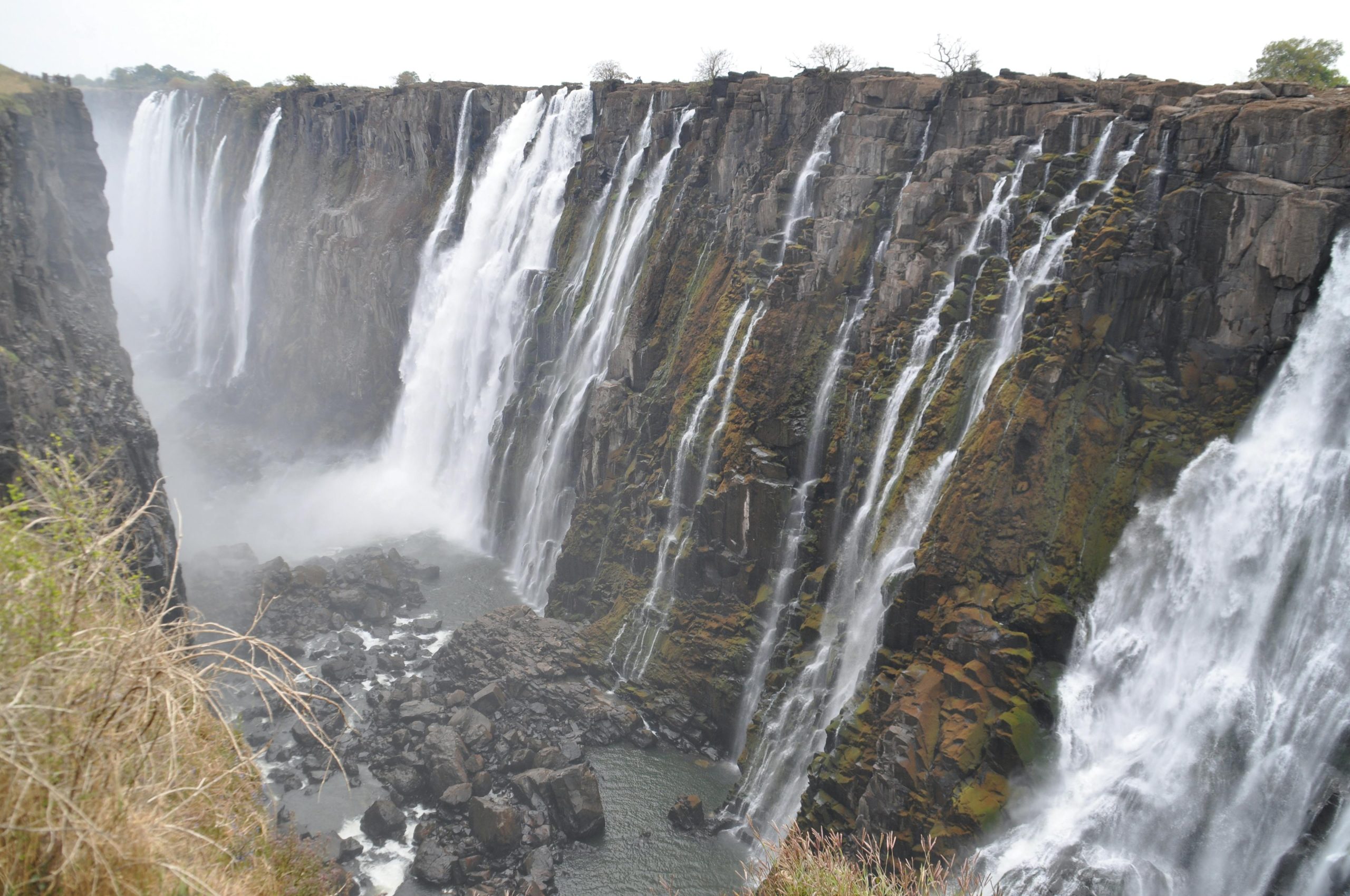


Zambia is a captivating destination known for its stunning landscapes, diverse wildlife, and rich cultural heritage. Travelers can explore the magnificent Victoria Falls, one of the largest and most famous waterfalls in the world, where the sound of rushing water creates an exhilarating atmosphere. Additionally, the South Luangwa National Park offers unmatched safari experiences, showcasing Zambia’s incredible biodiversity.
Our team at atworld has explored Zambia extensively, uncovering hidden gems and local favorites, making this guide essential for anyone planning a trip. The vibrant culture of Zambia is reflected in its traditional music and dances, which are an integral part of local festivals and community life.
At atworld, we compare prices among the leading companies for flights, hotels, travel insurance, transfers, taxis, and tours—all in one place and at smart prices. This ensures that you can focus on enjoying your adventure while we help you save money.
Join us as we delve into what makes a trip to Zambia in 2026 a truly unforgettable experience.
Zambia has a population of approximately 19 million people, known for their warm hospitality and friendly nature. The main language is English, which is widely spoken, along with several indigenous languages, including Bemba and Nyanja, giving travelers the opportunity to engage with locals easily.
The currency used is the Zambian Kwacha (ZMW). We recommend exchanging money at banks or licensed forex bureaus for the best rates. ATMs are available in urban areas, but it’s wise to carry cash for rural locations where card payments may not be accepted.
Zambia is in the Central Africa Time Zone (CAT), which is two hours ahead of GMT. Safety is generally good, but travelers should be vigilant in crowded areas and avoid walking alone at night. We advise keeping belongings secure and being aware of your surroundings.
The climate varies by region, with a wet season from November to April and a dry season from May to October. We recommend visiting during the dry season for optimal wildlife viewing and outdoor activities.
Lusaka, the capital city of Zambia, is a bustling metropolis with a mix of modern and traditional influences. The city is known for its lively markets, such as the Soweto Market, where vendors sell fresh produce, textiles, and local crafts. The streets are filled with the sounds of chatter and the aroma of street food, creating an energetic atmosphere.
Travelers can explore neighborhoods like Ibex Hill and Woodlands, where modern amenities and local eateries coexist. This region offers a glimpse into urban Zambian life, making it a great starting point for your journey.
Located at the intersection of Independence Avenue and Cairo Road, the Freedom Statue commemorates Zambia’s independence struggle. It’s often overlooked by tourists but offers a peaceful spot for reflection.
Livingstone is famous for its proximity to Victoria Falls, a UNESCO World Heritage Site. The town is vibrant with a range of accommodations, restaurants, and adventure activities. Visitors can hear the roar of the falls from miles away, and the surrounding area is filled with lush vegetation and local wildlife.
In Livingstone, we recommend visiting the local craft markets, where artisans sell handmade goods. The atmosphere is lively, with the sounds of laughter and music filling the air. This region offers a unique blend of natural beauty and cultural experiences.
Situated near the town center, the Railway Museum showcases Zambia’s railway history with vintage locomotives and carriages. It’s a quiet spot where history enthusiasts can learn about the railway’s role in the country’s development.
South Luangwa National Park is a highlight for wildlife enthusiasts, offering some of the best safari experiences in Africa. The park is home to a variety of animals, including elephants, lions, and leopards, and features stunning landscapes of savanna and riverine forest.
Travelers can explore the park through guided game drives or walking safaris, experiencing the thrill of encountering wildlife in their natural habitat. The sounds of the bush at dusk are a unique experience that many visitors cherish.
This small village located on the outskirts of the park offers an authentic experience of local life. Visitors can interact with villagers and learn about traditional crafts and farming practices.
Ndola, located in the Copperbelt Province, is a key industrial city known for its mining history. The region features beautiful landscapes and is less touristy than Lusaka or Livingstone. The streets are lined with shops and local businesses, providing a more authentic experience.
Travelers can explore the Ndola Golf Club and the nearby Lubuto Library, which is dedicated to promoting literacy and education. This region offers a unique perspective on Zambia’s economic landscape.
This vibrant market in the Kansenshi neighborhood is where locals shop for fresh produce, clothing, and artisanal goods. It’s a great place to experience local culture and flavors.
Victoria Falls is one of the most iconic attractions in Zambia and a must-visit for any traveler. This natural wonder features a width of 1,708 meters and a height of 108 meters, making it one of the largest waterfalls in the world. Visitors will experience the mist rising from the falls and hear the thunderous roar of the water crashing into the Zambezi River below.
We suggest arriving early in the morning or late afternoon to avoid the crowds and enjoy the best views. The surrounding area offers various activities, including bungee jumping and helicopter flights over the falls. At atworld, we compare prices for tickets, tours, and activities—book in advance for the best deals.
Though primarily located in Botswana, Chobe National Park is easily accessible from Zambia and offers fantastic wildlife viewing. This park is renowned for its large elephant population and diverse ecosystems. Visitors can expect to see herds of elephants roaming near the river and a variety of other wildlife, making it a photographer’s paradise.
We recommend taking a boat cruise along the Chobe River for a unique perspective on the wildlife. Early morning and late afternoon are the best times for sightings. At atworld, we compare prices for tickets, tours, and activities—book in advance for the best deals.
Lower Zambezi National Park provides a more remote and tranquil safari experience compared to other parks. The landscape consists of riverine forests and open plains, where visitors can observe wildlife such as hippos, crocodiles, and various bird species. The experience of watching the sunset over the Zambezi River is truly unforgettable.
Travelers can enjoy canoe safaris or guided game drives, with opportunities for incredible wildlife encounters. We suggest visiting during the dry season for the best chances to see animals at the riverbanks. At atworld, we compare prices for tickets, tours, and activities—book in advance for the best deals.
The Livingstone Museum is the largest museum in Zambia and offers insights into the country’s history, culture, and wildlife. Exhibits include artifacts from Zambia’s colonial period and information on David Livingstone, the famous explorer after whom the town is named. Visitors will appreciate the well-curated displays that provide a comprehensive overview of Zambian heritage.
We suggest allowing a few hours to explore the museum fully. It’s best to visit early in the day to avoid crowds. At atworld, we compare prices for tickets, tours, and activities—book in advance for the best deals.
Mutinondo Wilderness is an off-the-beaten-path destination that showcases Zambia’s natural beauty. The area is characterized by rolling hills, granite outcrops, and pristine rivers. Visitors can hike the numerous trails, swim in crystal-clear pools, and enjoy the tranquility of the landscape.
We recommend visiting during the dry season for the best hiking conditions. This less crowded destination allows for a more intimate experience with nature. At atworld, we compare prices for tickets, tours, and activities—book in advance for the best deals.
South Luangwa National Park is renowned for its diverse wildlife and beautiful landscapes. The park features a mix of savanna, woodlands, and riverine habitats. Visitors can expect to see elephants, lions, leopards, and various bird species throughout the park.
Travelers can enjoy guided game drives or walking safaris to explore the area. The best time to visit is during the dry season, from May to October, when wildlife is more active. The park is accessible by road from Mfuwe, and we recommend arranging a guided tour for convenience.
Kafue National Park is one of the largest national parks in Africa, offering a vast expanse of wilderness. The landscape includes wetlands, woodlands, and rivers, making it a haven for wildlife. Visitors can see a variety of animals, including antelope, zebras, and hippos.
The best time to visit is during the dry season for optimal wildlife viewing. Travelers can reach Kafue by road from Lusaka, and we recommend hiring a local guide for a more enriching experience.
Lake Kariba is a large man-made lake that offers stunning views and a range of activities. The lake is surrounded by mountains and is a popular spot for fishing, boating, and wildlife viewing. Visitors can often see elephants and hippos along the shores.
We recommend visiting during the cooler months from May to September. Travelers can reach Lake Kariba by road or by chartering a boat from nearby towns. It’s a great spot for relaxation and enjoying nature.
There are no results matching your search
Our team discovered Chipata’s Craft Market, a vibrant spot where local artisans sell handmade crafts, including baskets, jewelry, and textiles. This market offers travelers an authentic glimpse into Zambian culture and craftsmanship.
To find it, head to the center of Chipata, near the main bus station. We suggest visiting in the morning for the best selection. Insider Tip from atworld: Bargaining is common, so be prepared to negotiate prices.
Kasanka National Park is a hidden treasure known for its stunning biodiversity and seasonal bat migration. The park is home to a variety of wildlife, including antelope and over 400 bird species, making it a paradise for nature lovers.
To reach Kasanka, take the road from Lusaka to the park entrance. We suggest visiting during the bat migration from late October to early December for a unique experience. Insider Tip from atworld: Stay in nearby lodges for easy access to the park.
This remote location is famous for its birdwatching opportunities and unique wetland ecosystem. The swamps host a variety of bird species, including the rare shoebill stork. Travelers can enjoy a peaceful escape into nature.
To find the swamps, head north from Lusaka towards the town of Mbala. We recommend visiting during the dry season for the best wildlife sightings. Insider Tip from atworld: Hire a local guide for an enriching experience.
Lake Tanganyika is one of the deepest lakes in the world, known for its picturesque beaches and clear waters. This spot offers travelers opportunities for snorkeling, diving, and relaxing by the shore.
To reach the lake, travel to the northern part of Zambia, near the town of Mpulungu. We suggest visiting during the warmer months for the best beach experience. Insider Tip from atworld: Bring your own gear for water activities as rentals may be limited.
Zambia’s traditional cuisine features staple dishes such as nshima, a thick porridge made from maize, often served with relishes like vegetables or meat. Travelers will also taste bream, a popular fish dish, and savory stews made with chicken or beef.
Other notable dishes include ifisashi, which combines groundnuts with leafy greens, and chibwabwa, made from pumpkin leaves. Local eateries in Lusaka and Livingstone offer these dishes, providing an authentic dining experience.
Dining in Zambia is often a communal experience, with meals shared among family and friends. Markets like Soweto Market in Lusaka buzz with activity, where locals shop for fresh produce and street food. Typical meal times are lunch around noon and dinner between 6-8 PM.
Travelers can enjoy a variety of local snacks, including samosas and grilled meat skewers, available at market stalls. The atmosphere is lively, filled with the sounds of vendors calling out their wares.
The café culture in Zambia features cozy spots where locals enjoy coffee and light snacks. Popular drinks include Zambian coffee and local teas. Neighborhoods like Woodlands in Lusaka have several cafés that serve tasty pastries and sandwiches.
Travelers can relax at these cafés, which often have a friendly atmosphere. We at atworld help travelers find hotels near the best food districts for easy access.
Zambia’s nightlife is vibrant, with lively bars and clubs primarily located in Lusaka and Livingstone. Popular districts include Cairo Road in Lusaka, where various venues offer live music and dance. The atmosphere is energetic, with locals and travelers mingling.
Travelers can enjoy traditional Zambian music and dance performances in some venues. Most places are open until late, providing a variety of options for nightlife entertainment.
Dates: April 15-17, 2026. What to Expect: This festival features local and international jazz artists performing in various venues across Lusaka. Attendees can experience a lively atmosphere filled with music and celebration, attracting jazz enthusiasts from around the world.
Food Highlights: Expect local street food vendors offering traditional dishes alongside international cuisine. Booking Tip: It’s advisable to book accommodation early as the festival attracts many visitors.
Dates: July 1-7, 2026. What to Expect: This fair showcases Zambian businesses and attracts exhibitors from various sectors. Visitors can engage with local entrepreneurs and see innovative products. The atmosphere is bustling with networking opportunities.
Food Highlights: Various food stalls will feature local delicacies and international dishes. Booking Tip: Early booking is recommended for hotels in Ndola during this busy period.
Dates: March 2026 (exact date TBA). What to Expect: This traditional ceremony marks the annual migration of the Lozi people. Attendees can experience vibrant cultural displays, traditional music, and a colorful procession on the Zambezi River.
Food Highlights: Traditional dishes are served, offering a taste of local cuisine. Booking Tip: It’s best to book accommodations in advance due to the influx of visitors.
Dates: September 10-12, 2026. What to Expect: This festival celebrates the beauty of the Zambezi River with various activities, including water sports, music performances, and cultural showcases. The lively atmosphere draws both locals and tourists.
Food Highlights: Expect to find a variety of food stalls serving local favorites. Booking Tip: Secure your accommodation early to enjoy the best rates.
Dates: October 5-9, 2026. What to Expect: This event highlights Zambian fashion and design, featuring local designers showcasing their collections. Attendees can expect a vibrant atmosphere filled with creativity and style.
Food Highlights: Various food vendors will provide a mix of local and international cuisine. Booking Tip: Consider booking accommodations well in advance as the event attracts many fashion enthusiasts.
Zambia has a developing public transport system that includes buses and minibuses, which are the most common forms of transport in urban areas. The bus network covers major routes in cities like Lusaka and Livingstone, with affordable fares.
Travelers can use the Zambia Railways for train travel between major cities, although services may be limited. We recommend checking schedules in advance to ensure availability.
Taxis are readily available in urban areas, and travelers can use ride-sharing apps like Uber and Bolt for convenience. Typical costs for short trips range from ZMW 20 to ZMW 50.
For safety, we recommend using registered taxis or ride-sharing services and confirming the driver’s details before getting in.
Car rental is a popular option for travelers looking to explore Zambia at their own pace. Major companies operate in Lusaka and Livingstone, providing various vehicles.
Driving conditions are generally good, but rural roads may be unpaved. We advise checking local driving regulations and road conditions before setting out.
Many urban areas have pedestrian-friendly zones, particularly in city centers. Cycling is gaining popularity, with some rental options available in urban centers.
Travelers can explore neighborhoods on foot or by bike for a more immersive experience. We recommend being cautious of traffic and planning routes in advance.
Spring brings mild temperatures, with daytime highs ranging from 25°C to 30°C (77°F to 86°F). The weather is generally dry, making it an excellent time for outdoor activities.
What to Pack: Lightweight clothing, sunscreen, a hat, and comfortable walking shoes. Spring is ideal for wildlife viewing as animals are more active.
Summer temperatures reach highs of 30°C to 35°C (86°F to 95°F), with occasional rains. The landscape becomes lush and green, attracting various bird species.
What to Pack: Light clothing, an umbrella, insect repellent, and breathable fabrics. This season is also great for seeing baby animals in the wild.
Autumn features cooler temperatures, with daytime highs of 25°C to 30°C (77°F to 86°F) and mild evenings. The weather is generally dry, making it pleasant for travel.
What to Pack: Layers for varying temperatures, comfortable shoes, and a light jacket for cooler evenings. This is a popular time for tourists.
Winter sees cool temperatures, especially at night, with daytime highs of around 20°C to 25°C (68°F to 77°F). The dry season creates excellent wildlife viewing opportunities.
What to Pack: Warm clothing for evenings, sturdy footwear, and binoculars for wildlife spotting. Winter is the peak season for tourists, so plan accordingly.
Money and Currency: Travelers should carry Zambian Kwacha (ZMW) for small purchases. ATMs are available in urban areas, but it’s wise to notify your bank before traveling. Tipping is common; typically, 10% is acceptable in restaurants, while rounding up taxi fares is appreciated.
Local Etiquette and Customs: Greetings are important in Zambian culture. A handshake is common, often accompanied by a friendly smile. Dress modestly, especially in rural areas, and be respectful during traditional ceremonies.
Safety Tips and Common Scams: Be cautious of pickpockets in crowded areas and avoid displaying valuables. Emergency numbers include 999 for police and 998 for medical assistance. We advise keeping a photocopy of important documents.
Health and Medical: Pharmacies are available in major towns, but travelers should bring essential medications. It’s advisable to drink bottled or boiled water to avoid waterborne diseases. Vaccinations for yellow fever and malaria prophylaxis are recommended.
Language Essentials: Here are some key phrases to know:
In summary, Zambia is a unique destination that offers a rich blend of natural wonders, vibrant culture, and unforgettable experiences. From the majestic Victoria Falls to the diverse wildlife of South Luangwa National Park, travelers will find countless opportunities for adventure and exploration.
We at atworld make travel planning easier by comparing prices across flights, hotels, insurance, transfers, and tours—all in one place at smart prices. So pack a suitcase, set your dates, and let us write the next amazing chapter of your travels together—with smart prices that leave more money for unforgettable experiences.
We are the first platform designed to simplify your entire travel journey. We eliminate the need to check dozens of websites by bringing all travel services into one powerful comparison engine.
The best seasons to visit Zambia are during the dry season, from May to October, when wildlife viewing is optimal as animals gather around water sources. Expect warm to hot daytime temperatures, especially in October, and cooler nights. Crowds are generally moderate to high in popular parks like South Luangwa and Lower Zambezi during peak months of July and August, making it a vibrant time for safari enthusiasts.
First-time travelers to Zambia typically require a valid passport with at least six months’ validity beyond their intended stay. Most visitors need a visa, which can be obtained on arrival or online through the Zambian e-Visa system. It’s essential to check specific requirements based on nationality and ensure that travelers have proof of onward travel and sufficient funds for their stay. Additionally, vaccination against yellow fever may be required if arriving from certain countries.
The currency used in Zambia is the Zambian kwacha (ZMW). Yes, ATMs are widely available in urban areas, allowing for cash withdrawals using international debit and credit cards. However, access may be limited in rural regions.
For first-time travelers in Zambia, the best transportation options include domestic flights for long distances, buses for budget-friendly travel between cities, and taxis or ride-hailing services like Bolt for local transport. Additionally, hiring a private driver can offer convenience, especially for exploring more remote areas. Always consider safety and travel times when choosing your mode of transport.
In Zambia, the official language is English, which is widely used in government and education. However, several local languages are commonly spoken, including Bemba, Nyanja, Tonga, and Lozi. Knowing a few basic phrases in these languages, such as greetings or thank you, can enhance your interactions and show respect for the local culture.
As a first-time traveler to Zambia, ensure you get vaccinations for diseases like yellow fever, hepatitis A, and typhoid. Carry anti-malarial medication and use insect repellent. Stay in reputable accommodations, avoid walking alone at night, and keep your belongings secure. Familiarize yourself with local customs and emergency contact numbers for a safer experience.
Some must-try traditional Zambian dishes for a first-time traveler include nshima, a staple made from ground maize, often served with various relishes like vegetables, fish, or meat. Another popular dish is biltong, a type of dried, cured meat. Additionally, try kapenta, small fish typically fried and served with a tomato sauce, and if you’re adventurous, sample chibwabwa, a dish made from pumpkin leaves.
When interacting with locals in Zambia, it’s important to greet people warmly, often with a handshake, and use local greetings like “Shani” for “How are you?” Respect for elders is crucial, so address them with politeness. Additionally, avoid discussing sensitive topics like politics and be mindful of personal space, as close proximity can be seen as intrusive.
In Zambia, the power outlets typically accept Type D and G plugs, and the standard voltage is 230V with a frequency of 50Hz. If your devices are not compatible with this voltage or plug type, you will need a voltage converter and a plug adapter to use them safely.
For a first-time traveler to Zambia, top attractions include Victoria Falls, one of the largest and most stunning waterfalls in the world. The South Luangwa National Park is renowned for its wildlife and offers excellent safari experiences. Additionally, the Lower Zambezi National Park provides beautiful landscapes and opportunities for canoeing and fishing. Lusaka, the capital, offers cultural insights and local markets worth exploring.

