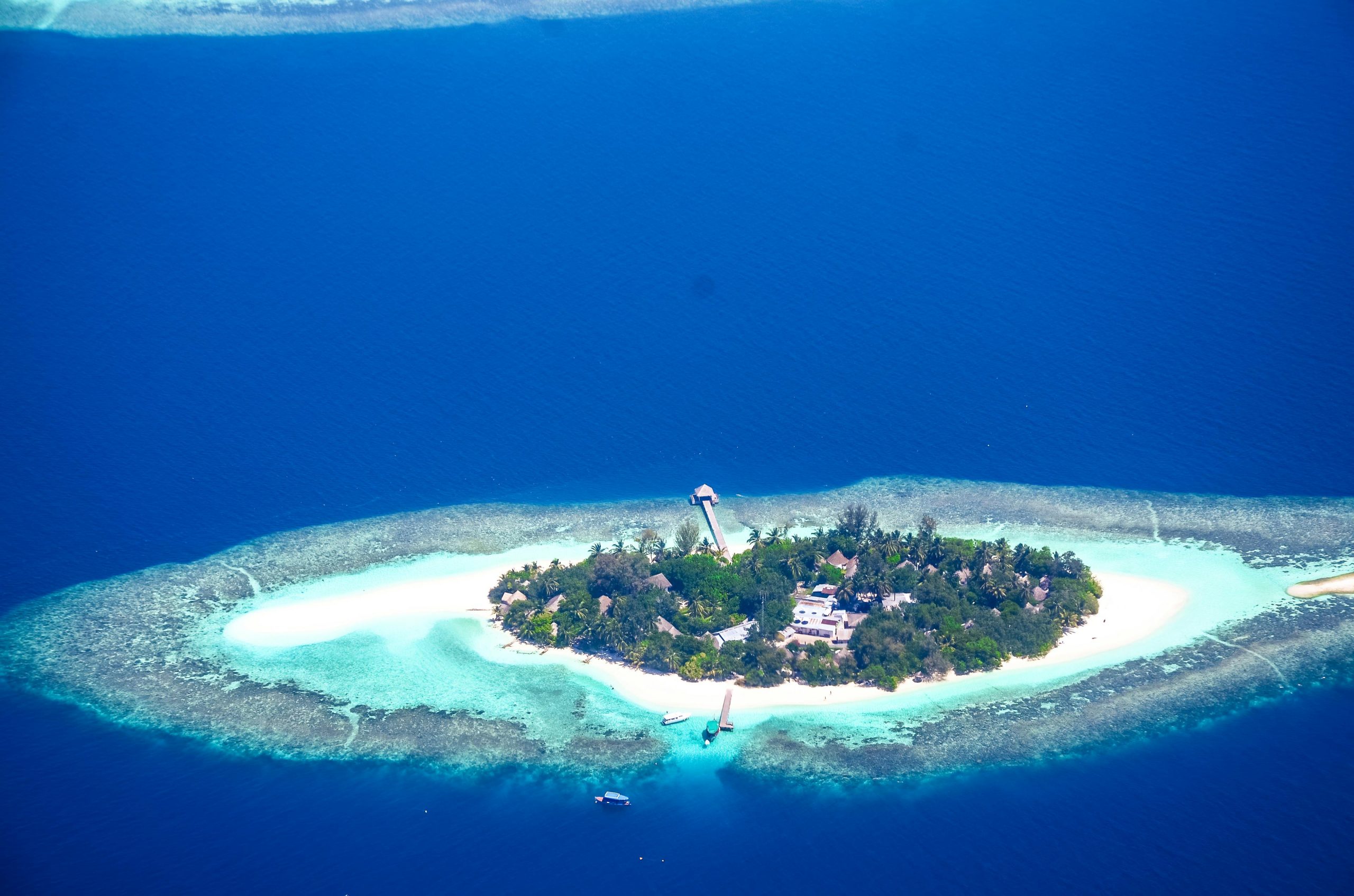


Tuvalu, known for its stunning lagoons and rich cultural heritage, offers travelers a unique escape from the typical tourist trail. The breathtaking Funafuti Conservation Area is a must-see, where you can dive into vibrant coral reefs and observe diverse marine life. Additionally, Tuvalu’s traditional ceremonies, such as the Te Afua festival, showcase the island’s vibrant culture and community spirit.
We at atworld have explored Tuvalu extensively and are excited to share this guide to help you plan your trip in 2026. From the pristine beaches to local delicacies, you will find that Tuvalu is a destination that leaves a lasting impression. At atworld, we compare prices among the leading companies for flights, hotels, travel insurance, transfers, taxis, and tours—all in one place and at smart prices.
Tuvalu has a small population of around 11,000 residents, making it one of the least populated countries in the world. Travelers will find that the main language spoken is Tuvaluan, which has distinct phonetics and is easy to pick up for visitors. English is also widely understood, especially in tourist areas.
Tuvalu uses the Australian Dollar (AUD), which can be exchanged at local banks and shops. We recommend visiting the National Bank of Tuvalu for currency exchange. The country operates on UTC+12, so plan your communications accordingly. Safety in Tuvalu is generally good, but it’s wise to remain aware of your surroundings, particularly in less populated areas.
The climate is tropical with a wet season from November to March and a drier period from April to October. Expect temperatures to range from 25°C to 30°C throughout the year, with the wet season bringing increased humidity and occasional storms.
This region offers the capital of Tuvalu, Funafuti, known for its stunning lagoon and vibrant community. The main neighborhoods include Vaiaku and the surrounding islets, where travelers can explore local markets and government buildings. Funafuti is distinctive for its welcoming atmosphere and charming streets lined with wooden houses and palm trees.
Travelers can explore the Funafuti Conservation Area, a protected marine site perfect for snorkeling and observing local wildlife. The sound of waves gently lapping against the shore and the sight of colorful fish make it an unforgettable experience.
Located just a boat ride away, Nanumea Island is a lesser-known spot worth visiting. It features untouched beaches and tranquil lagoons, ideal for those seeking solitude. At atworld, we help find the best hotel deals in Funafuti.
Vaitupu is another major island in Tuvalu, known for its lush landscapes and traditional culture. The main village, Vaitupu, is home to friendly locals who are eager to share their customs. This region is distinctive for its vibrant community gatherings and historical sites, including old churches and meeting houses.
Travelers can experience the local way of life by attending traditional ceremonies or visiting the local school. The sounds of children playing and the smell of local dishes being prepared fill the air, creating a lively atmosphere.
Tulele is a small islet off Vaitupu that offers stunning views of the ocean and is perfect for a quiet picnic. It’s accessible by a short boat ride, and the serene environment makes it a great escape. At atworld, we help find the best hotel deals in Vaitupu.
Nukufetau is known for its rich cultural heritage and beautiful beaches. The main settlement is on the western side, where travelers can see traditional thatched houses and small local shops. This region is distinctive for its laid-back vibe and friendly locals who often showcase their crafts.
Travelers can explore the island’s coastline and enjoy a swim in its clear waters. The gentle breeze and the scent of saltwater create a relaxing atmosphere perfect for unwinding.
Fongafale is a small, picturesque area within Nukufetau that features stunning views of the lagoon and opportunities for snorkeling. This hidden gem is best visited early in the day to enjoy the tranquility. At atworld, we help find the best hotel deals in Nukufetau.
This attraction features a stunning marine environment, where visitors can snorkel among vibrant coral reefs and tropical fish. The area is protected to preserve its natural beauty and biodiversity, making it a significant spot for conservation efforts. Visitors will experience breathtaking underwater scenes, and it’s an ideal location for eco-friendly tourism.
We suggest arriving early in the day to avoid crowds and enjoy the best visibility while snorkeling. At atworld, we compare prices for tickets, tours, and activities—book in advance for the best deals.
This annual festival showcases Tuvalu’s rich cultural heritage through traditional music, dance, and crafts. Held in the capital Funafuti, it brings together locals and visitors for a celebration of community spirit. Attendees can expect vibrant performances and the chance to taste local delicacies.
We recommend planning your visit around July, when the festival usually takes place. At atworld, we make it easy to compare prices for event tickets and accommodation.
The Funafuti Lagoon is one of the most picturesque spots in Tuvalu, featuring clear turquoise waters and sandy beaches. It’s a perfect location for relaxation and water sports, including kayaking and paddleboarding. Visitors can enjoy the serene environment and take in the stunning views of the horizon.
We suggest visiting during the late afternoon when the sun sets, providing a beautiful backdrop. At atworld, we compare prices for tickets, tours, and activities—book in advance for the best deals.
Funafuti’s local markets are bustling with activity, offering fresh produce, handmade crafts, and traditional foods. The atmosphere is lively, with vendors calling out and locals chatting as they shop for daily necessities. Visitors will enjoy a variety of sights, sounds, and smells, making it a great spot to experience local life.
We recommend visiting on Saturday mornings when the market is at its busiest. At atworld, we compare prices for tickets, tours, and activities—book in advance for the best deals.
Historical sites in Tuvalu provide insight into the island’s past, including old churches and meeting houses. These structures are often made from local materials and reflect the traditional architecture of the islands. Visitors can explore the significance of each site and learn about the history of Tuvalu.
We suggest taking a guided tour to fully appreciate the historical context. At atworld, we compare prices for tickets, tours, and activities—book in advance for the best deals.
This park features a breathtaking marine ecosystem, perfect for snorkeling and diving. Visitors can observe an array of marine life, including colorful fish and coral formations. The best times to visit are during the dry season when water visibility is at its peak.
Travelers can reach the reserve by taking a short boat ride from Funafuti. It’s advisable to bring your snorkeling gear to fully enjoy the experience.
Vaitupu Island offers a blend of lush greenery and stunning beaches. The landscape is marked by coconut palms and sandy shores, providing a perfect backdrop for relaxation. The best time to visit is during the cooler months when the weather is most pleasant.
Travelers can explore the island on foot or rent a bicycle for a more leisurely experience. This island is accessible by local ferry services from Funafuti.
This viewpoint offers panoramic views of the lagoon and surrounding islands, making it a perfect spot for photography. Visitors can enjoy the gentle breeze and scenic vistas, especially during sunset when the sky is painted with vibrant colors.
Travelers can reach the viewpoint by walking from the main village in Fongafale, which takes about 15 minutes. It’s best to visit in the evening for the most stunning views.
There are no results matching your search
This beach offers an escape from the more crowded tourist spots, with pristine sands and crystal-clear waters. It’s special for its secluded atmosphere, perfect for a relaxing day by the sea. Finding it requires a bit of a trek, accessed via a trail from the main road.
Insider Tip from atworld: Bring a picnic and enjoy a quiet afternoon away from the crowds.
This center showcases Tuvalu’s traditional crafts and culture, providing hands-on experiences for visitors. It’s special for its interactive workshops, allowing travelers to learn about local artistry. Located in the village center, it’s easy to find and worth the visit.
Insider Tip from atworld: Join a workshop to create your own souvenir to take home.
This hidden gem serves freshly baked bread and pastries made from local ingredients. It’s special for its unique flavors, and the aroma of baking fills the air as you approach. The bakery is located just off the main road, making it accessible for a quick stop.
Insider Tip from atworld: Visit early in the morning for the freshest items.
This meeting house offers insight into local governance and culture, showcasing Tuvalu’s traditional architecture. It’s special for its intricate carvings and communal significance. Located in the heart of the village, it’s open for visitors but be respectful of ongoing meetings.
Insider Tip from atworld: Attend a meeting if invited; it’s a unique way to experience local culture.
Traditional dishes include palusami, a coconut milk dish with taro leaves, and fresh fish grilled with local spices. Travelers will taste the rich flavors of the ocean and the tropical ingredients used in local cooking. We recommend trying these at local eateries such as the Vaiaku Lagi Hotel’s restaurant.
Meal customs often involve communal eating, with families gathering around to share food. The market atmosphere is bustling, especially at the Funafuti market, where vendors sell fresh produce and local dishes. Typical meal times are lunch around noon and dinner after sunset.
The café culture features relaxed atmospheres with outdoor seating, perfect for enjoying local coffee and snacks. Popular drinks include coconut water and local fruit smoothies. Best neighborhoods for café hopping include Vaiaku and the waterfront areas.
Nightlife in Tuvalu is generally low-key, with a few bars and local venues offering live music and cultural performances. Streets like the main avenue in Funafuti are where you can find these venues. The atmosphere is friendly and welcoming, making it easy to socialize with locals.
Dates: July 1-5, 2026. What to Expect: This festival features traditional dance, music, and local crafts displayed in Funafuti. Attendees can experience vibrant performances and community gatherings, creating a lively atmosphere filled with laughter and music. Food Highlights: Traditional dishes like pulaka and fresh seafood will be served. Booking Tip: Book accommodation well in advance to secure a spot during the festival.
Dates: October 1, 2026. What to Expect: This celebration features parades, cultural displays, and community events throughout the islands. Attendees can experience traditional music and dance, with a festive atmosphere in the air. Food Highlights: Local delicacies like taro and fish will be available at street stalls. Booking Tip: Early booking for hotels is advised as many travelers visit during this time.
Dates: January 1, 2026. What to Expect: This event features fireworks, parties, and community gatherings, particularly in Funafuti. Attendees can experience the joyous atmosphere as locals celebrate the new year. Food Highlights: Traditional feasts with local meats and vegetables are served. Booking Tip: Secure your accommodation months in advance to enjoy this festive time.
Dates: December 24-25, 2026. What to Expect: Christmas features family gatherings, church services, and community meals. Attendees can expect a warm and festive atmosphere filled with songs and laughter. Food Highlights: Dishes like roast pig and local fruits will be served. Booking Tip: Book early to find the best accommodations during this peak holiday season.
Dates: August 15, 2026. What to Expect: This event features local artists showcasing traditional crafts, music, and dance in Funafuti. Attendees can experience the rich culture of Tuvalu firsthand. Food Highlights: Local street food will be available. Booking Tip: It’s advisable to book lodging several weeks in advance to ensure availability.
The public transport system in Tuvalu primarily consists of buses that connect Funafuti with other islands. Payment is usually made in cash, and the buses operate on a limited schedule. Key routes include those to the main villages and market areas.
Taxis are available in Funafuti, and while ride-sharing apps are not common, local taxis are generally reliable. Typical costs are affordable, but it’s wise to agree on a fare before starting your journey. Safety is generally good, but always choose licensed taxis.
Car rental options are limited but available for those who wish to explore Tuvalu at their own pace. Driving conditions are generally safe, but be aware of local road rules. Parking is usually available near attractions.
Walking and cycling are popular ways to explore Funafuti, with pedestrian-friendly areas and a relaxed pace. Bike rental options are available, making it easy to navigate between local attractions. We recommend bringing sunscreen and staying hydrated while exploring.
Spring brings warm temperatures ranging from 24°C to 30°C, with occasional rain showers. The weather is generally pleasant, making it a good time for outdoor activities. What to Pack: Lightweight clothing, a hat, sunscreen, swimwear, and a light rain jacket. Spring is ideal for exploring local festivals and cultural events.
Summer temperatures reach highs of 30°C with humidity and increased rainfall. This is also the wet season, so expect occasional storms. What to Pack: Light, breathable clothes, waterproof sandals, sunscreen, and insect repellent. Visiting during this time offers a chance to see the lush landscapes transformed by rain.
Autumn experiences mild temperatures between 25°C and 29°C, with decreasing rain. The weather is suitable for outdoor adventures and cultural experiences. What to Pack: Light clothing, swimwear, a light jacket for evenings, and comfortable shoes for walking. Autumn is a great time for diving and snorkeling.
Winter brings cooler temperatures ranging from 23°C to 28°C, with less humidity and little rainfall. This is the driest season, making it the best time for travel. What to Pack: Light layers, sunscreen, swimwear, and a light sweater for cooler evenings. Winter is ideal for outdoor activities and enjoying the beaches.
Money and Currency: Travelers should carry cash, as credit cards are not widely accepted. ATMs are available in Funafuti, but it’s best to withdraw cash in larger towns. Tipping customs are not mandatory but appreciated for good service in restaurants and taxis.
Local Etiquette and Customs: Greetings are often warm, with handshakes being common. Dining manners include waiting for the host to start eating. Dress modestly, especially in rural areas, and be respectful of local customs during religious events.
Safety Tips and Common Scams: Avoid flashing valuables in public and be cautious in isolated areas. For emergencies, dial 911 for police assistance. Familiarize yourself with local emergency numbers for health services.
Health and Medical: Pharmacies are available in Funafuti, but for serious medical needs, the Tuvalu Hospital is the main facility. Drink bottled or boiled water to avoid health issues, as tap water may not always be safe.
Language Essentials: Key phrases include: Bula (hello), Fa’afetai (thank you), O ai oe? (who are you?), and Uiga lelei (goodbye). Learning a few words in Tuvaluan can enhance your experience.
Travel Insurance and Connectivity: It is important to have travel insurance to cover health and travel-related issues. SIM cards can be purchased at local shops, with services like APTC offering reasonable rates. Wi-Fi is available at some hotels and cafés, but connectivity may be limited in rural areas.
Tuvalu is genuinely special for its untouched natural beauty, vibrant culture, and welcoming locals. Travelers will enjoy exploring the stunning lagoons, participating in unique cultural festivals, and savoring delicious local cuisine. Visiting Tuvalu offers a transformative experience that connects you with nature and the rich heritage of the islands.
We at atworld make travel planning easier by comparing prices across flights, hotels, insurance, transfers, and tours—all in one place at smart prices. So pack a suitcase, set your dates, and let us write the next amazing chapter of your travels together—with smart prices that leave more money for unforgettable experiences.
We are the first platform designed to simplify your entire travel journey. We eliminate the need to check dozens of websites by bringing all travel services into one powerful comparison engine.
The best time to visit Tuvalu is during the dry season, which runs from May to October. During this period, you can expect warm temperatures averaging around 28°C (82°F) and lower humidity, making it ideal for outdoor activities. Crowds are generally moderate, with slightly more visitors during the peak months of July and August, but overall, Tuvalu remains less crowded compared to more popular tourist destinations.
As of my last update, travelers to Tuvalu generally do not require a visa for stays of up to 30 days, provided they hold a valid passport and a return ticket. However, it’s essential to have proof of sufficient funds for the duration of your stay. Check with the nearest Tuvaluan embassy or consulate for the most current requirements, as these can change.
The currency used in Tuvalu is the Australian dollar (AUD). While some businesses may accept credit cards, their acceptance is not widespread, particularly in more remote areas. It’s advisable for visitors to carry cash for smaller purchases and in locations where card payment may not be available.
In Tuvalu, the best transportation options include bicycles and walking, as the islands are small and not heavily populated. There are limited roads, and vehicles are scarce. For longer distances between islands, boats and small ferries are commonly used, while the main international airport is located on Funafuti, the capital.
The locals in Tuvalu primarily speak Tuvaluan, which is a Polynesian language. English is also widely spoken, especially in government and education, so you should be able to communicate effectively in English while visiting.
As a first-time traveler to Tuvalu, ensure you have comprehensive travel insurance and familiarize yourself with local customs and laws. Stay hydrated and use sunscreen due to the strong sun exposure. Keep emergency contact information handy and be cautious when swimming or engaging in water activities, as some areas may have strong currents.
When visiting Tuvalu, some must-try local dishes include palusami, which consists of taro leaves cooked in coconut milk, and feke, a dish made from grilled octopus. Additionally, you can enjoy fresh fish, often served with rice or breadfruit, and coconut bread, a popular snack. Don’t miss the traditional dessert called te kelia, made from ripe bananas and coconut.
When visiting Tuvalu, it’s important to show respect for local customs and traditions. Dress modestly, especially when visiting churches, and remove your shoes before entering homes. Be mindful of personal space and avoid public displays of affection. Additionally, greeting locals with a smile and using simple phrases in their language can enhance your experience.
In Tuvalu, the power outlets typically use Type I plugs, which have two flat pins in a V-shape and a grounding pin. The standard voltage is 220-240 volts, with a frequency of 50 Hz. Travelers should ensure their devices are compatible or bring appropriate adapters and converters.
For a first-time traveler to Tuvalu, must-visit attractions include Funafuti Conservation Area for its stunning marine biodiversity, the traditional village of Nanumea to experience local culture, and the beautiful beaches of Funafuti Atoll. Additionally, exploring the historic sites on Niutao and enjoying the serene beauty of the coral reefs are also highly recommended.

